Brazil Rejects Trump’s Tariff Threat And China Calls It Baseless
Brazil says it will not yield to new United States duties on sugar and aircraft. China, the European Union, Japan and others also push back against the proposed tariffs.
BRASILIA, Nov 26 – Brazil said on Wednesday it would not bow to the latest tariff threat from President Donald Trump, and China accused Washington of political manipulation over new duties on 14 trading partners.
“Brazil will not yield to this type of threat,” the Brazilian government said in a statement.
It called the move an unacceptable, one-sided action during ongoing talks. Brazil was especially angered by plans for higher import taxes on raw and refined sugar, and by a new 10 percent tariff on aircraft that would hit Embraer, the country’s largest planemaker.
The government said it would keep negotiating, but it was not ruling out retaliation against what it called the illegal and unjust tariffs on Brazilian goods.
Brazil was singled out in a separate action after its trade talks with Washington stalled, and the tariff threat adds to duties already imposed in July.
The broader plan targets China, the European Union, Japan and 11 other economies over what the administration describes as excess industrial capacity. The United States Trade Representative’s office said the rates would be capped at levels agreed under trade deals that are complete or still being negotiated.
The office will seek comments from affected industries and hold a public hearing on January 25, which suggests the final duties may not take effect until February or March.
China faces one of the biggest hits, with the highest capped rate of 20 percent, which in some cases would be added to other import taxes for a total rate of 45 percent. A trade truce between Washington and Beijing is due to expire on January 10.
A spokesperson for the Chinese embassy in Washington denied that China is a source of excess capacity and said the issue does not really exist.
It “should not be used as a pretext for political manipulation,” the spokesperson said.
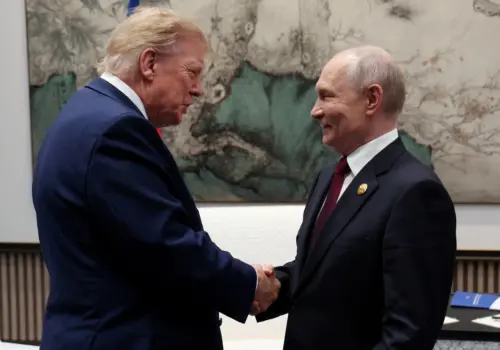
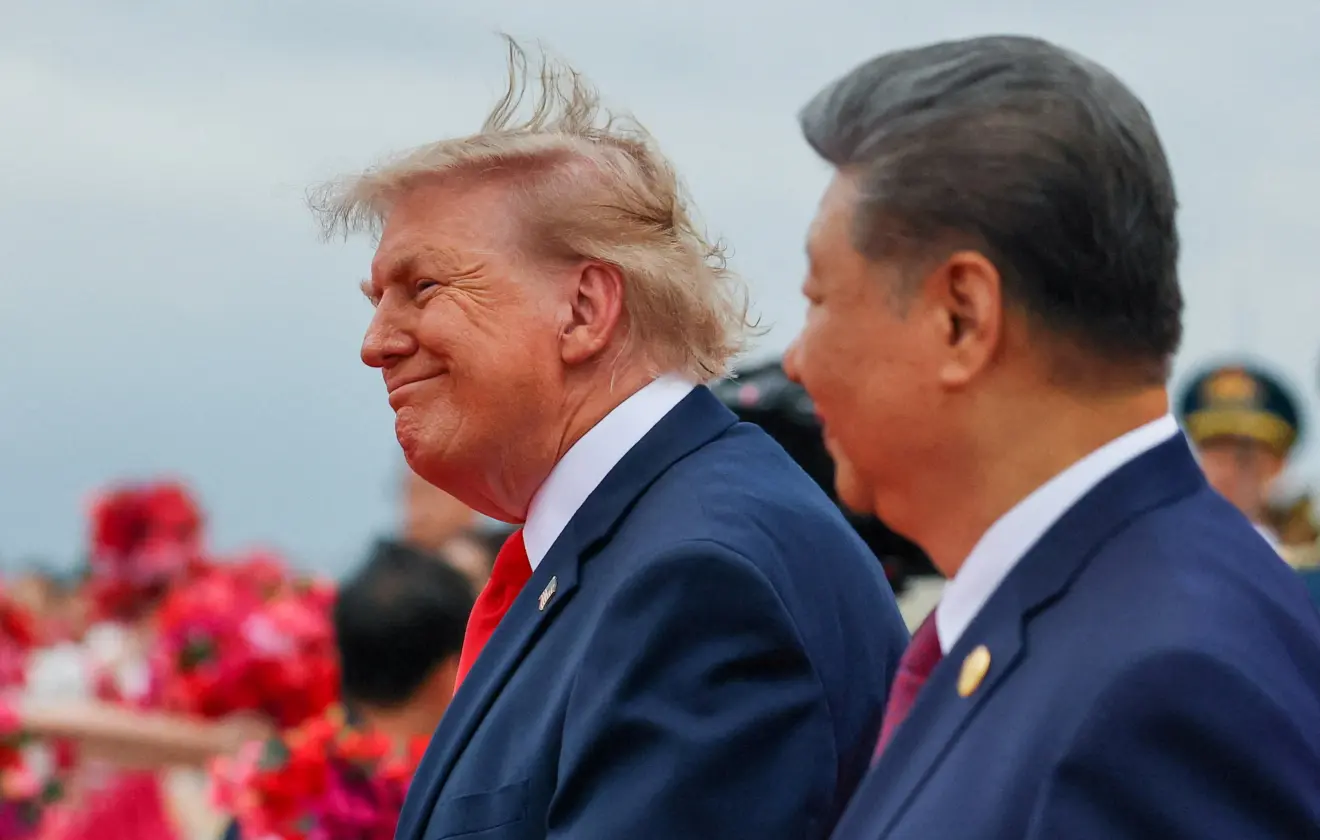
The embassy stopped short of threatening retaliation and urged both sides to carry out the agreements reached by Trump and Chinese President Xi Jinping. China’s foreign ministry also restated its opposition and called for the dispute to be settled through talks.
“A tariff war or a trade war serves no party’s interests,” ministry spokesperson Guo Jiakun said.
Jamieson Greer, the United States Trade Representative, told CNBC that the plan includes a broad exemption for about $30 billion of Chinese goods, in line with the deal between the two countries. He said trading partners already knew what Washington was proposing.
“I think a lot of this is baked in,” Greer said.
Some analysts in the United States said the duties are too weak. Derek Scissors, a senior fellow at the American Enterprise Institute, said China produces more excess goods than the rest of the world combined. He said the proposal barely raises existing tariffs on China and will not change how it trades.
The European Union rejected the basis for the new tariffs and said it expected Washington to honor the deal the two sides struck last year. European Commission spokesperson Olof Gill said both share real concerns about global overcapacity, much of it driven by states and concentrated in other countries.
“We regret the lack of joint action,” Gill said.
Other governments responded too. Vietnam’s trade ministry said it was working with Washington to finalise a trade deal as soon as possible, and it was also preparing comments to rebut the preliminary findings and what it called inaccurate claims.
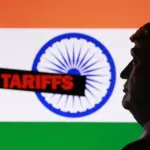
India denied having structural excess capacity in any sector and said it remains committed to reaching an early trade deal with the United States. Greer has said the tariff on Indian goods would be capped at 17 percent if a deal is reached.
Taiwan said on Thursday that it was confident it would retain its current 15 percent tariff rate. Taipei and Washington signed trade agreements in January and February that granted preferential treatment to semiconductors and other technology products, which account for more than 70 percent of Taiwan’s exports to the United States.
Japan’s chief government spokesperson, Minoru Kihara, called the proposal regrettable. Singapore said it was very disappointed and denied that it protects its home market or subsidizes manufacturing.
The new tariffs may prove hard to undo despite the Democratic Party’s sweep in the midterm elections. Some Democrats are likely to back parts of the plan, especially the duties on China, and Trump can veto any bill to overturn them.
But Senator Ron Wyden of Oregon, who will take over the Senate Finance Committee next year, said he would use every tool to make him end the tariffs. He called the plan another blatant attempt to rebuild Trump’s global tariffs, which the Supreme Court struck down in February.
“Trump’s unilateral price-hiking tariffs are not the solution,” Wyden said.
The public hearing on the proposed duties is set for January 25.