Saudi Arabia Presses EU to List Houthis as a Terrorist Group
Riyadh wants Europe to follow the United States, Canada and Australia in blacklisting the Iran-backed movement. Most European countries are still holding back
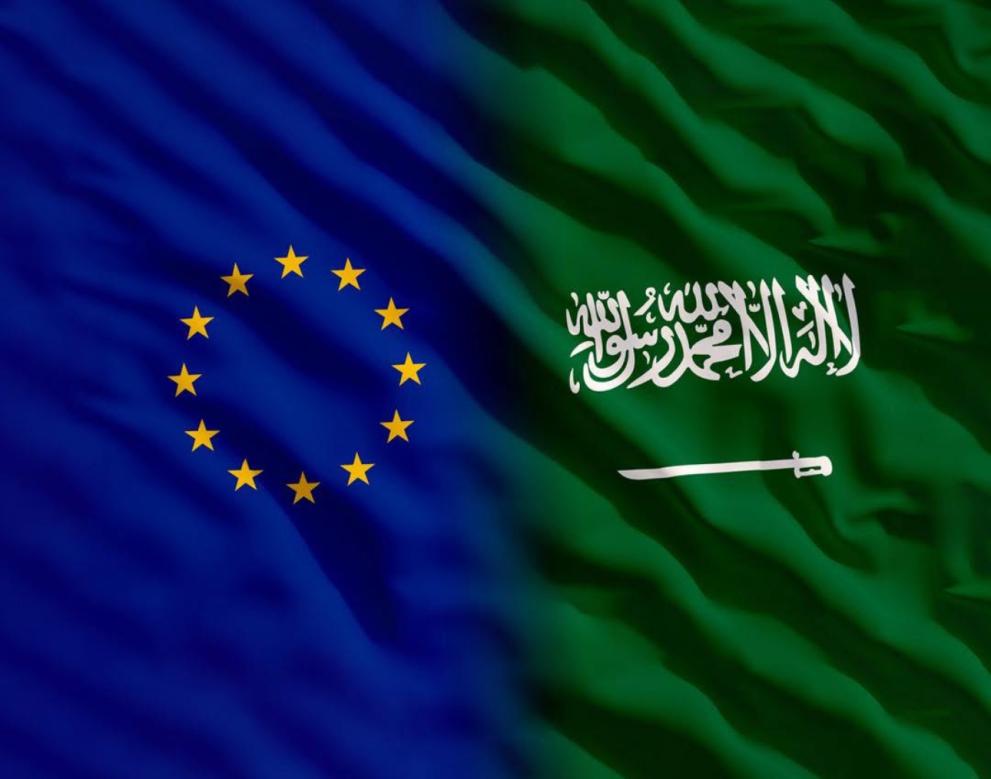
BRUSSELS, Nov 13 – Saudi Arabia is pressing the European Union to list Yemen’s Iran-backed Houthi movement as a terrorist group, but has not yet won over European governments that fear the step could harm a future peace process, six European officials said.
The push is part of a wider effort by Riyadh to raise international pressure on the Houthis. In recent weeks, the group has attacked the kingdom almost every day, after a war that began more than a decade ago flared up again.
The Houthis already face EU sanctions, including an arms embargo and asset freezes on 12 commanders. The bloc has also designated Iran’s Islamic Revolutionary Guard Corps, a key Houthi backer, as a terrorist organization.
But it has stopped short of naming the Houthis themselves. Other Western countries, including the United States, Australia and Canada, have already done so.
They said European countries worry that listing the Houthis as a terrorist group would cut the limited channels they still maintain with the movement. That could weaken Europe’s role in future peace talks on Yemen.
Any listing would need the support of all 27 member states. So far, only a small number back it, one of the officials said. The official did not name the countries, because the talks are private.
There is another reason for caution. Several officials noted that a terrorism listing is very difficult to reverse. Once in place, it would require the support of every member state to lift.
Saudi Arabia’s government media office did not respond to a request for comment. Anouar El Anouni, a spokesman for the bloc’s foreign policy service, said the European Union is in regular contact with Riyadh on many issues, including developments in the region. He declined to comment on any specific talks.
Some in Europe favor a tougher approach. Last month, the European Parliament passed a resolution calling for the Houthis to be listed. The vote was largely symbolic, but it reflected growing support for stronger action.
Officials say the debate is likely to continue as Houthi attacks on shipping and regional tensions persist. Any final decision would depend on whether member states can balance concerns over humanitarian access and diplomatic contacts with pressure to respond more forcefully.
Joana de Deus Pereira, a senior fellow at the Royal United Services Institute, a defense research group in London, said European states want to show solidarity with Saudi Arabia. But she said they remain wary of a listing, which she said would have little practical effect.
She said Europe fears the Houthis could hit back by targeting European ships near Yemen. A designation could also make it harder for aid groups to operate in areas controlled by the Houthis.
The stakes for trade are high. Yemen’s coast lies along the Red Sea and the Bab el-Mandeb Strait, a key route between Europe and Asia. More Houthi attacks could further disrupt global trade, already affected by Iran’s closure of the Strait of Hormuz during the war with the United States and Israel.
The Houthis drove Yemen’s internationally recognized government out of the capital, Sanaa, in 2014. Saudi Arabia, with support from the United States, then led a long and costly military campaign against them.
The Houthis and the Saudi-backed government agreed to a truce in 2022. That truce collapsed in July this year, after the Houthis accused Riyadh of bombing Sanaa airport.
Since then, both sides have carried out attacks across the border that have killed and injured civilians.
In October, a Houthi missile strike on King Khalid International Airport in Riyadh killed people, though the exact toll was not given in the report. After that attack, the bloc’s foreign policy chief, Kaja Kallas, said the European Union stood in solidarity with Saudi Arabia.