Shehbaz Sharif COP31 Speech Urges Grant-Based Climate Finance
Pakistan’s prime minister told world leaders his warning from 2022 has come true. He called for grants, not loans, for nations hit by climate disasters.
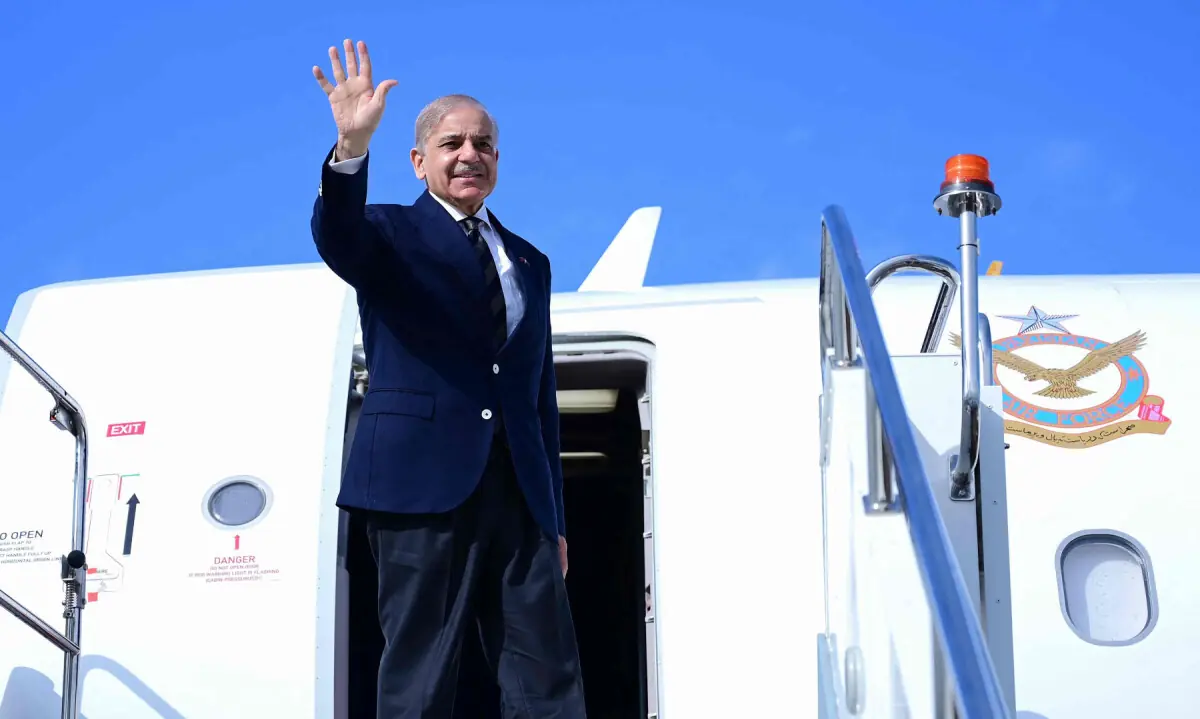
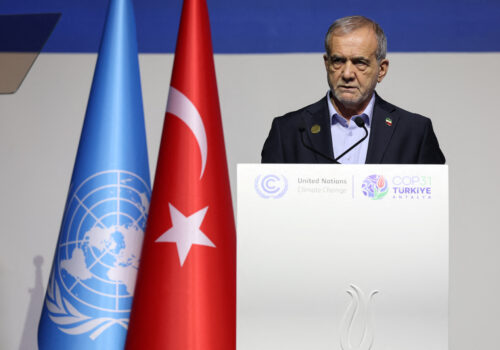
ANTALYA, Turkey, Nov 12 – Pakistan’s Prime Minister Shehbaz Sharif called on Thursday for climate finance in the form of grants rather than loans, saying countries hit by floods and storms cannot afford to take on more debt. He appealed in his speech at the COP31 leaders’ summit in Antalya.
Sharif opened with a story from home.
In August 2025, he said, a young man in Buner, in Pakistan’s northwest, was two days from his wedding when flash floods swept through his village. “A home preparing for celebration became a house of mourning,” he said.
He told the hall that he visited the area days later and met families who had lost their homes, their livelihoods and their loved ones. Their grief was personal, he said, but the warning it carries is global.
He then went back to 2022. That year, record floods covered large parts of Pakistan and killed at least 1,731 people. In September, Sharif told the United Nations General Assembly that what happened in Pakistan would not stay in Pakistan.
That warning has come true, he said on Thursday. The future the world feared is now the present it is living in. Climate change knows no borders, Sharif said, and no nation can face it alone. He said solidarity must mean real action.
He said Pakistan is doing its part. The country is investing in electric transport and has set a target to cut emissions by about 50% by 2035.
But Sharif said national efforts are not enough. He called for a fair and just global response that delivers help quickly to vulnerable countries when disaster strikes. Such assistance, he said, should not add to their debt.
He called for climate finance based on grants, with scope for partnerships between governments and private companies. He also urged a major increase in funding for adaptation and resilience, saying that for struggling economies, these are survival funds.
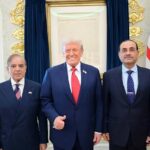
The speech was one of dozens given by heads of state over two days at the summit. Sharif was also scheduled to meet Turkish President Recep Tayyip Erdogan on the sidelines and to address a high-level meeting on clean energy titled “35 by 35: Powering the Future.”
The title reflects Turkey’s main goal for the summit. As host, Turkey wants countries to agree to raise electricity’s share of global energy use to 35% by 2035. Critics say the target may do little to curb warming without a clearer plan to reduce fossil fuel use.
Two Pakistani ministers also spoke in Antalya.
Climate Change Minister Musadik Malik focused on the country’s glaciers. He said more than 13,500 have been identified in Pakistan, and that floods caused by the sudden bursting of glacial lakes are a growing danger. Melting ice, he said, puts thousands of people, their homes and jobs at risk.
“Pakistan contributes less than one per cent to global greenhouse gas emissions,” Malik said.
Yet it is among the countries most affected, he added. He said climate finance still flows mostly to major emitters, and called for a fairer share for nations that suffer the most while polluting the least.
Malik also called for more international research on mountain regions, and outlined plans for a Green Virtual University to connect Pakistani students and researchers with universities abroad.
Communications Minister Aleem Khan spoke at a meeting on the Global Green Freight Corridors Initiative. He said freight is the lifeblood of world trade, but also one of the fastest-growing sources of transport emissions. He said Pakistan fully supports the initiative and is ready to work with partners on pilot green corridors.
The COP31 summit runs until November 20.