Saudi Arabia Turkey Wind Deal Adds 3,000 Megawatts of Power
The two countries signed the second phase of a clean energy pact on the sidelines of the climate summit. It adds wind farms to solar plants already planned.
ANTALYA, Turkey, Nov 11 – Saudi Arabia and Turkey have signed a new energy pact. The Saudi Arabia-Turkey wind deal plans wind farms with a total capacity of 3,000 megawatts, Turkey’s energy ministry said.
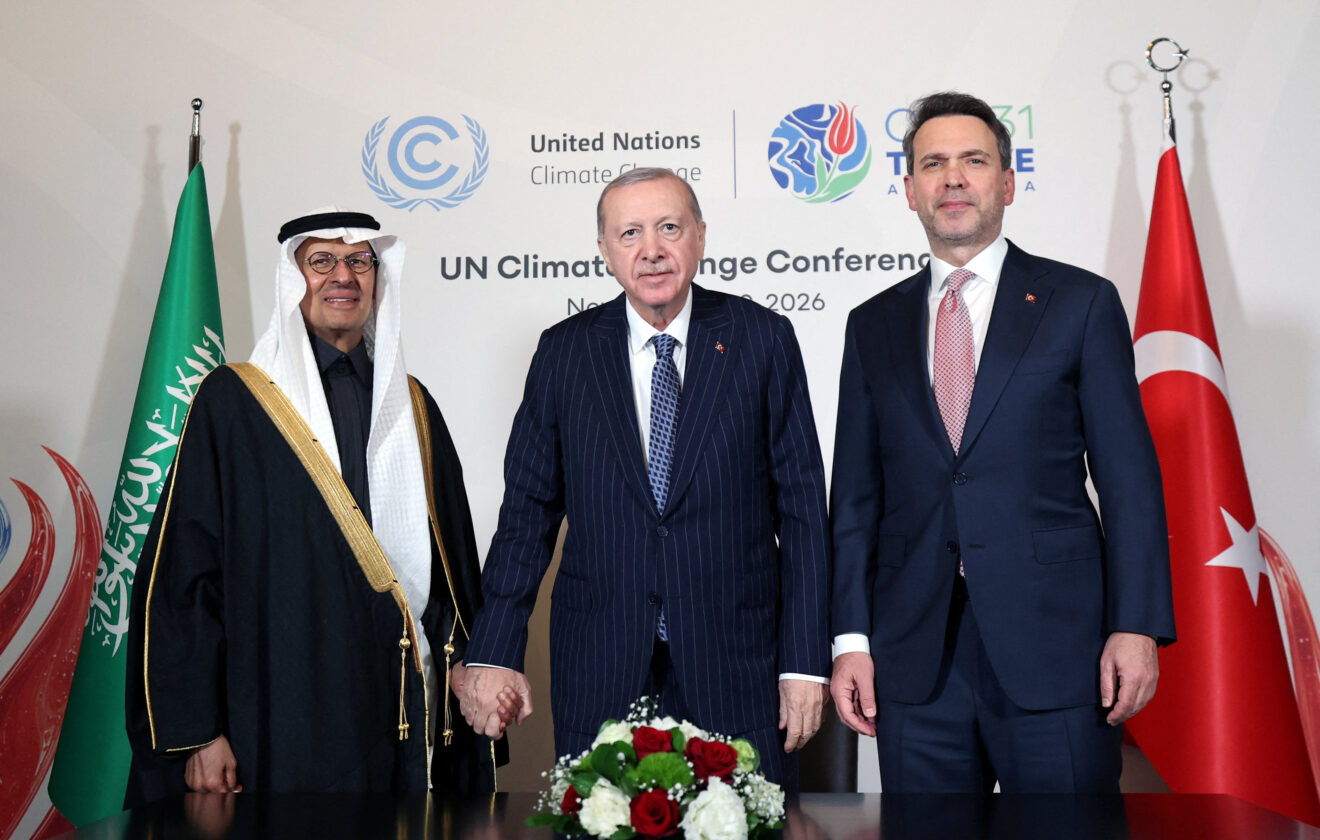
The two sides signed the agreement on Tuesday on the sidelines of the COP31 climate summit in Antalya.
It marks the second phase of an energy partnership the two countries agreed in February.
Under the new deal, the planned wind farms will be substantial, with a combined capacity equal to roughly one-fifth of Turkey’s current wind power capacity, according to the energy ministry.
Turkish President Tayyip Erdogan attended the signing ceremony, alongside Turkey’s Energy Minister Alparslan Bayraktar and Saudi Energy Minister Prince Abdulaziz bin Salman.
“We are deepening our strategic energy cooperation with Saudi Arabia,” Bayraktar said.
He said the new wind projects would strengthen Turkey’s electricity grid and help it respond more effectively to changes in demand.
They would also support the country’s efforts to expand renewable energy and reduce its dependence on imported fuels.
The first phase of the partnership was agreed earlier this year.
Under that agreement, Saudi energy company ACWA Power is to build two large solar power plants in central Turkey, one in Sivas and another in the Taseli area of Karaman.
Together, the projects are expected to have a capacity of 2,000 megawatts.
Officials said in February that the solar plants could supply electricity to about 2.1 million homes. Saudi Arabia is expected to invest around $2 billion in the projects, with the first power generation scheduled for 2028, according to Turkish media reports.
With the latest agreement, the combined capacity of joint Turkish-Saudi projects is expected to reach 5,000 megawatts.
ACWA Power chairman Mohammad Abunayyan said in February that the second phase would be signed at COP31 and would include solar, wind, and energy storage components.
However, Tuesday’s statement from Turkey’s energy ministry referred only to wind power.
Turkey needs to expand its clean energy capacity; government plans call for an average of about 10,000 megawatts of new wind and solar capacity to be added each year.
By 2035, the country aims to reach 120,000 megawatts of combined solar and wind power, while also targeting net-zero emissions by 2053.
Coal, however, remains a major part of Turkey’s energy mix. Official data show that coal accounted for about one-third of the country’s electricity generation in 2025.
Bayraktar has said Turkey wants to secure cheaper energy while reducing its dependence on imported supplies.
Ties between the two countries have warmed in recent years. They had fallen apart after Saudi agents killed the journalist Jamal Khashoggi inside the Saudi consulate in Istanbul in 2018.
Since then, the two have worked to rebuild trust, and energy has become one of the main areas where they work together.
ACWA Power is also looking at other projects in Turkey. They include green hydrogen and plants that turn seawater into fresh water, the company has said.
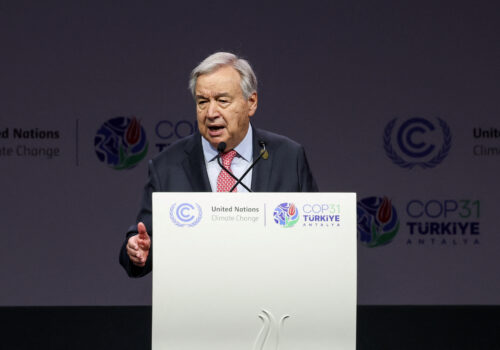
The deal was one of several signed at COP31 this week. Turkey is hosting the climate summit, which runs until November 20. Australia leads the formal talks between nearly 200 countries.
The signing put Saudi Arabia in an unusual spot at the summit. The kingdom is one of the world’s top oil producers.
It has often slowed efforts at climate talks to reach an agreement on moving away from fossil fuels. At the same time, however, it is investing in solar and wind power both at home and abroad.
Turkey has grown its power system fast. Its total installed capacity has risen nearly fourfold in 25 years, from about 32,000 megawatts to about 126,000 megawatts, Bayraktar said in August.
Officials did not give a cost or a timeline for the new wind farms. They also did not say where in Turkey the farms would be built.