California ballots cleared for counting after Supreme Court rejects Trump bid
The justices turned down the emergency request within hours and gave no reason. No justice dissented, and California will count the ballots in the usual way.
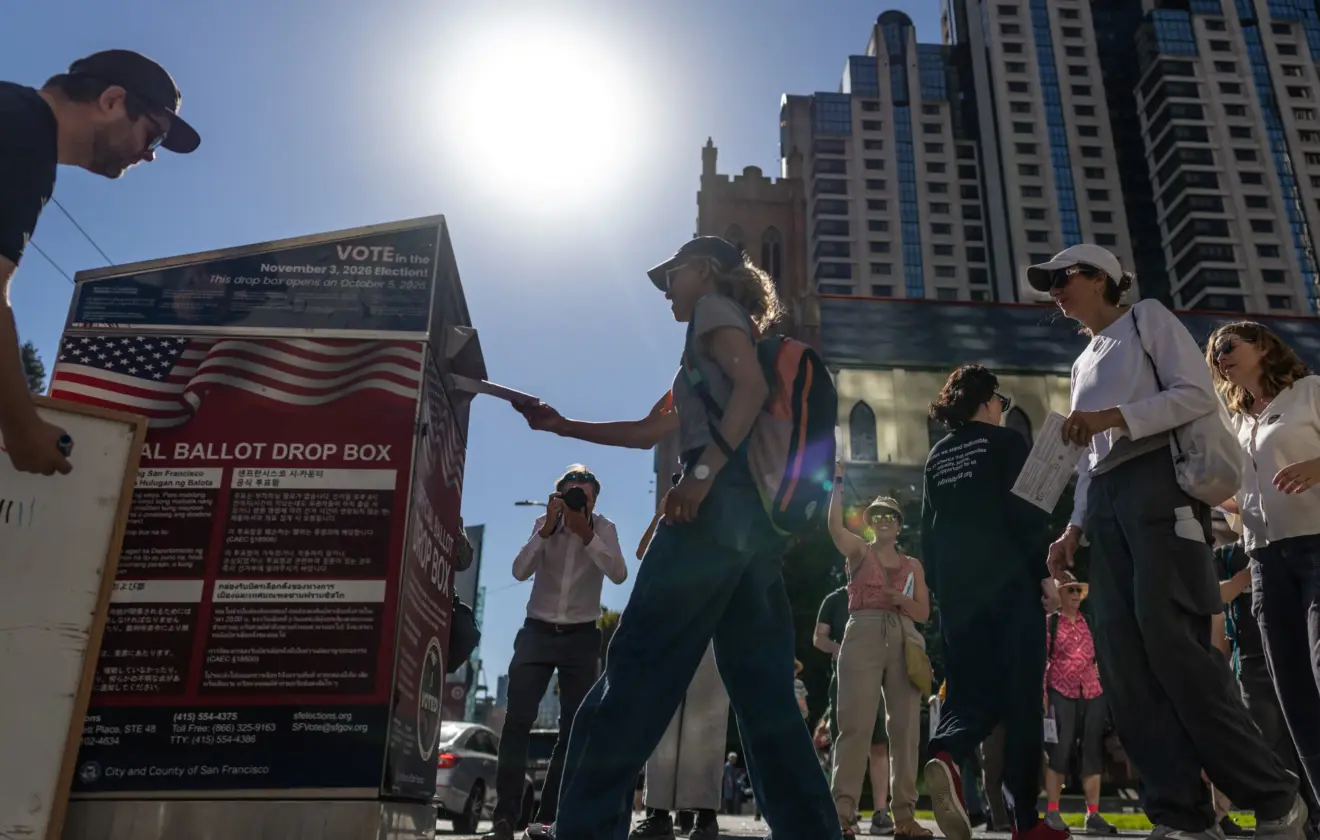
CALIFORNIA, Nov 3 – The United States Supreme Court on Monday rejected a bid by President Donald Trump’s administration to stop California from counting the ballots of more than 20,000 registered voters whom federal officials allege are likely not citizens.
The justices turned down the Justice Department’s emergency request just hours after it was filed. The ruling came on the eve of Tuesday’s midterm elections.
The court’s one-sentence order gave no reason, which is common in emergency cases. No justice publicly dissented.
The court also did not ask California to respond. When the justices do ask for a response, it usually signals that they are taking an emergency case seriously.
The ruling is another defeat for Trump while his Republican Party fights to keep control of Congress. California is the most populous state in the country and a Democratic stronghold.
California Governor Gavin Newsom, a Democrat, welcomed the decision. He called it “a welcome sight for all Americans” and said the federal government had attacked democracy. Newsom said Californians can be sure the state will hold a free and fair election.
The administration had asked the court to order California to separate the challenged mail-in ballots from the rest. Those ballots would not be counted until election officials confirmed that the voters were citizens.
Once the disputed ballots were mixed with lawful ones, the Justice Department told the justices, there would be no way to separate them again.
Before the ruling, Trent McCotter, the acting deputy attorney general, said in a social media post that the department would pursue every available legal option to protect the integrity of elections and enforce federal law.
The Department of Homeland Security compiled the list of 20,000 voters and sent the names to state officials and election authorities in Los Angeles County in mid-October. It demanded that the ballots be set aside until each voter’s citizenship could be verified. California refused.
The Justice Department then filed a federal lawsuit on October 15. It argued that California was obstructing enforcement of a 1996 federal law that makes it a crime for noncitizens to vote in federal elections. The department also claimed that the state was violating the Constitution’s Supremacy Clause, which generally gives federal law precedence over state law.
California maintains that its safeguards against noncitizen voting are robust. State lawyers argued in court filings that the federal process for reviewing voter lists is flawed and likely contains significant errors. They warned that the lawsuit could disenfranchise 20,000 voters based on vague and unverified allegations.
County officials who spot-checked the list found mistakes, according to the news site CalMatters. The Voting Rights Project at the University of California, Los Angeles, found that 42 percent of the names weren’t on the state’s current voter file.
United States District Judge David Carter in Los Angeles rejected the administration’s request on October 28. In his ruling, Carter wrote that the federal government had never before attempted, on the eve of an election, to force a state to abandon its own election procedures.
He also questioned the reliability of the federal data cited by the administration. Carter noted that people flagged as noncitizens on voter rolls in other states have frequently turned out to be naturalized citizens. If the executive branch could invalidate votes based on unproven claims, he wrote, “our democracy is in danger.”
The Ninth Circuit Court of Appeals in San Francisco likewise declined on Friday to block the ballots. The appeals court emphasized the state’s authority over election procedures and pointed to California’s existing system for canceling the registration of any voter found to be ineligible.
Under the Constitution, states are primarily responsible for administering elections, subject to some federal oversight. The lawsuit represented an unusual federal intervention in the voting process.
The administration has made alleged noncitizen voting a central issue in the lead-up to the midterm elections. However, numerous studies and state audits have found that voting by ineligible individuals, including noncitizens, is rare.
Trump has repeatedly alleged widespread voter fraud, including claims about the 2020 election, which he lost to Democrat Joe Biden. Courts and election officials have consistently rejected those assertions.
The administration has also suffered setbacks in other election-related cases this fall. In September, the Supreme Court rejected an effort to restrict voting by mail. On Sunday, a federal judge dismissed the administration’s lawsuit concerning the Senate race in Alaska.
California holds 52 seats in the House of Representatives, more than any other state. Democrats need a net gain of four seats nationwide to secure a majority in the chamber, making the outcome in California potentially decisive for control of Congress.