Seven Governor Races to Watch in the November 3 Elections
From water in Arizona to data centers in Nevada and cancer rates in Iowa, these seven contests show what is driving voters in the final days before the election.
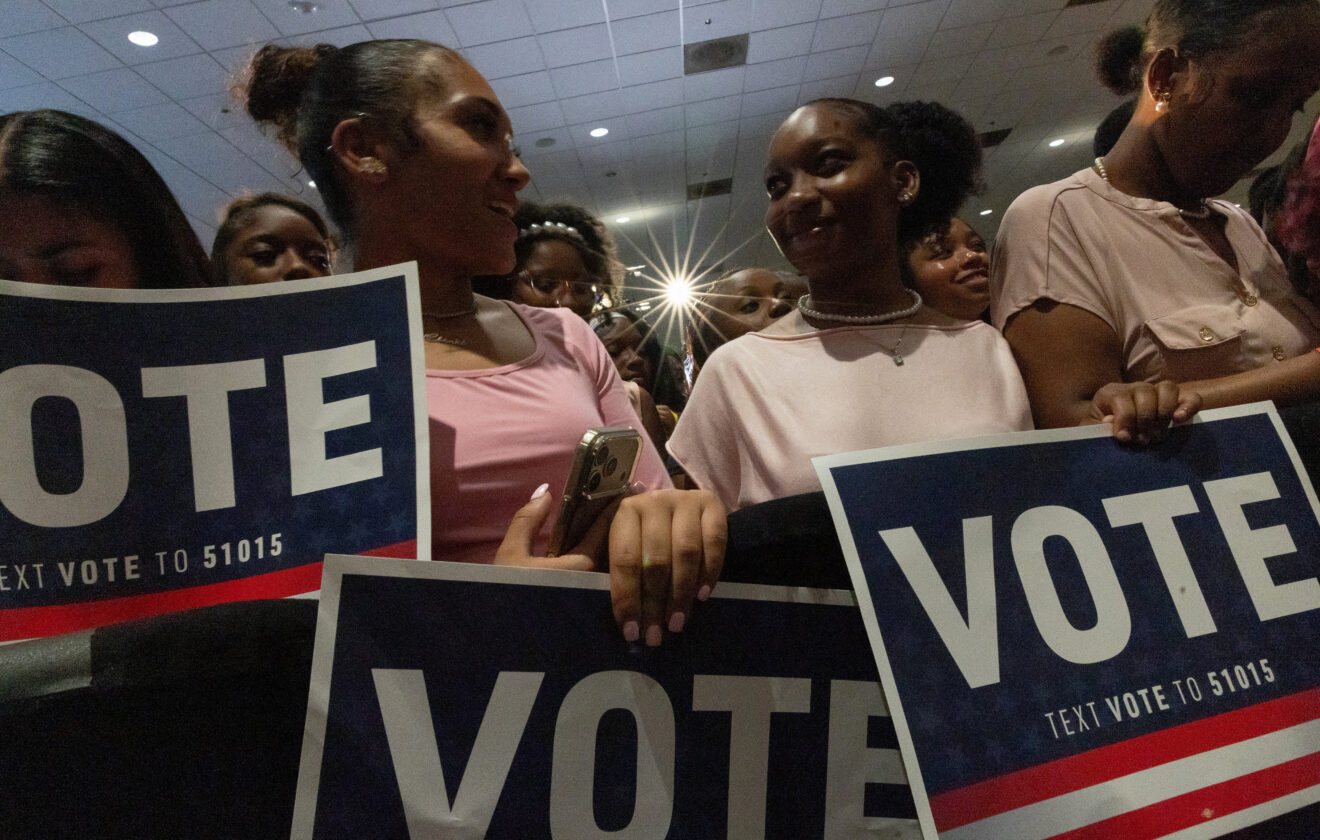
Voters in 36 states will elect governors on November 3, with the races shaped by a combination of national and local concerns. Two issues top the list across the country: President Donald Trump, whose approval ratings have declined, and the high cost of living, which continues to burden many families.
But each state has its own story. In some places, the campaigns have focused on water rights or the spread of data centers. In others, the debate has turned to cancer rates, abortion, or school choice.
The stakes are high for both parties. Democrats now hold 24 governorships and Republicans hold 26. If Democrats can gain at least two more seats overall, they will lead a majority of states for the first time since 2010. Nineteen of this year’s governor races are for open seats, with no sitting governor on the ballot.
Some contests have turned bitter. Others could make history. These seven races give a clear picture of what is at play.
1. Arizona
In Arizona, the main issue is something many outsiders might not expect. It’s water. The state has been hit hard by drought, and how to manage its shrinking supply has become a central campaign theme.
Democratic Governor Katie Hobbs is seeking a second term. Her opponent is Republican Andy Biggs, a member of the United States House of Representatives and a former head of the House Freedom Caucus, a group of conservative lawmakers that has pushed for deep cuts in federal spending.
The cost of living and immigration are also major issues. Katie Hobbs has tried to present herself as tougher on border security than many Democrats at the national level.
Abortion has played a big role as well. Katie Hobbs supports abortion rights, while Andy Biggs has a long record of opposing them. Arizona voters approved a change to the state constitution in 2024 that protects abortion rights. Most recent polls show Katie Hobbs ahead, though the margins vary widely from poll to poll.
2. Michigan
In Michigan, the race is wide open in a different sense. Democratic Governor Gretchen Whitmer can’t run again because of term limits. Democrat Jocelyn Benson, who oversees elections as Michigan’s secretary of state, is running against Republican John James, a member of the House of Representatives.
Michigan is one of the country’s most closely divided states. Trump won it in 2016 and again in 2024, while Democrat Joe Biden carried it in 2020. History adds another twist. Neither party has won the governor’s office twice in a row in Michigan since the 1960s. Recent polls have shown Jocelyn Benson leading, by margins ranging from a few points to double digits.
3. Georgia
Georgia’s race could make history. Former Atlanta Mayor Keisha Lance Bottoms, a Democrat, is trying to become the first Black woman ever elected governor in the United States. If she wins, she would also be the first Democrat elected governor of Georgia in more than 25 years.
Keisha Lance Bottoms faces Republican Rick Jackson, a billionaire health care executive. The two are competing to replace Republican Governor Brian Kemp, who can’t run again because of term limits.
Rick Jackson has spent more than $100 million of his own money on the race. He has largely lined up behind Trump’s agenda. Keisha Lance Bottoms, meanwhile, is trying to bring together the broad coalition of voters that helped Joe Biden win Georgia in 2020.
Keisha Lance Bottoms became a national figure in 2020, when she led Atlanta through protests, unrest and the coronavirus pandemic. Her support is strongest in the fast-growing Atlanta area, which has reshaped Georgia’s political landscape.
Both parties see the race as an early test ahead of 2028, when Georgia is expected to be a key battleground for the presidency. Polls have shown the two candidates running very close, within the margin of error.
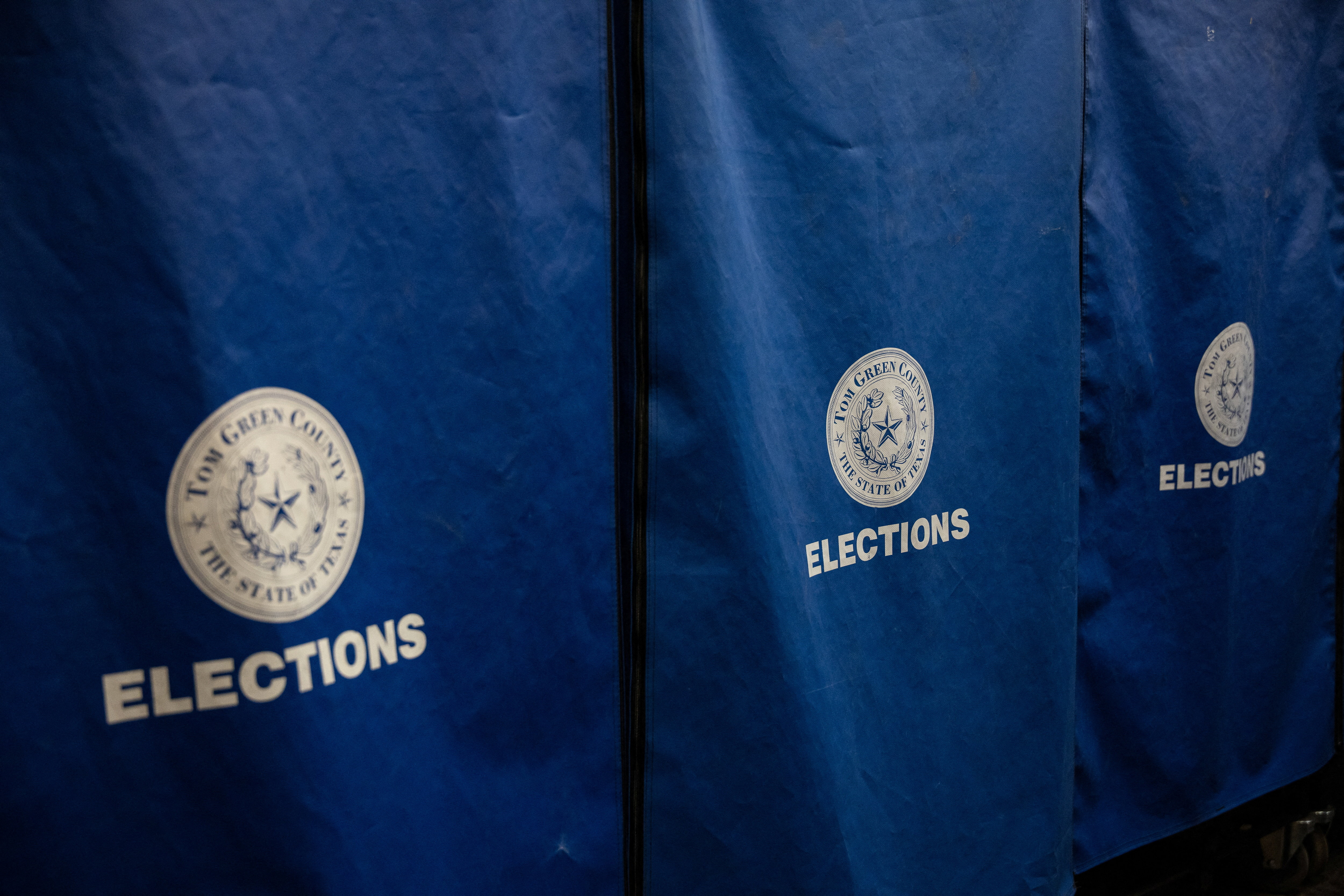
Protective barriers cover Hart InterCivic voting machines in locked storage in a secure room at the Tom Green County Elections Office in San Angelo, Texas, US October 28, 2026. REUTERS/Kaylee Greenlee
4. Ohio
No race has drawn more attention in recent weeks than the one in Ohio. Republican entrepreneur Vivek Ramaswamy is facing Democrat Amy Acton, a physician who led the state’s health department during the pandemic.
The contest made national headlines after the Vivek Ramaswamy campaign released an ad featuring Amy Acton’s estranged mother, Donna Arthur. In the ad, Donna Arthur disputes her daughter’s account of a childhood marked by homelessness and abuse, and urges Ohio voters not to back her.
Amy Acton has said she was subjected to sexual abuse by her stepfather as a child. He was charged in the case but left the state and never faced trial. He died in 2004.
The ad split Republicans. Ohio’s Republican governor, Mike DeWine, who has endorsed Vivek Ramaswamy, called it deeply troubling and urged the campaign to take it down. Vice President JD Vance, by contrast, told Republicans to stop complaining about it. Two nonpartisan forecasters, the Cook Political Report and Sabato’s Crystal Ball, later moved the race from a toss-up to leaning Democratic.
Ohio was long seen as a swing state. That changed after 2016, when Trump won it with strong backing from working-class voters, and it has since leaned Republican. Democrats have won only one of the state’s last nine races for governor. The contest is being watched as a test of whether Democrats can turn economic frustration into votes.
5. Iowa
In Iowa, voters are choosing a new governor in an open race for the first time since 2006. Republican Governor Kim Reynolds decided not to run again.
State Auditor Rob Sand, the only Democrat who holds statewide office in Iowa, is running against Republican businessman Zach Lahn. An unusual issue has come to the front. Iowa has the second-highest cancer rate in the country, after Kentucky. Many voters worry that nitrates, pesticides and other pollutants may be part of the cause.
The race has also focused on schools and how the state spends its money. Rob Sand has campaigned as a watchdog, criticizing Republican spending and the state’s program that gives families public money for private schools. Zach Lahn supports lower taxes, school choice, and a more conservative approach to social issues. Several recent polls have shown Rob Sand ahead.
6. Nevada
Nevada offers one of the closest races in the country. Republican Governor Joe Lombardo is running neck and neck with Democrat Aaron Ford, the state’s attorney general, in a contest focused on affordability.
Nevada voters have raised concerns about tariffs, a slowdown in tourism, and high gas prices. Those worries have given Aaron Ford an opening, even though Joe Lombardo has raised about twice as much money.
Data centers have also become a central issue. Aaron Ford wants to stop new tax breaks for data centers and require developers to protect residents from higher energy bills. He has also called for strict rules to protect jobs from artificial intelligence. Joe Lombardo has added some limits on the tax breaks that drew the industry to Nevada, but he has largely backed data centers as a source of growth.
7. Wisconsin
Wisconsin backed Joe Biden in 2020 and Trump in 2024. A key question there is whether voters want a governor who is closely tied to the Republican president.
Republican Tom Tiffany, who has served three terms in the House of Representatives and has Trump’s endorsement, has played down that link. His Democratic opponent, Milwaukee County Executive David Crowley, has worked to connect Tom Tiffany to Trump’s agenda.
In Congress, Tom Tiffany has backed conservative causes such as gun rights and lower taxes. He also co-sponsored a federal bill that would have banned most abortions after about six weeks of pregnancy. David Crowley supports abortion rights and has made them a key part of his campaign. Wisconsin currently bans abortion after 20 weeks and requires a 24-hour waiting period, as well as parental consent for minors.
A Marquette University Law School poll released this week showed David Crowley leading Tom Tiffany by 7 points. Another recent survey showed a closer race.
What comes next
Polls in all seven states are only snapshots, and many results fall within the margin of error. With early voting already underway and just days remaining, the outcome will depend on who turns out to vote on November 3.