FBI and ICE Agents Will Not Serve as Election Monitors in Midterms
A court filing says federal poll observers will carry no firearms and will not act as law enforcement. The move follows a civil rights lawsuit over voter intimidation.
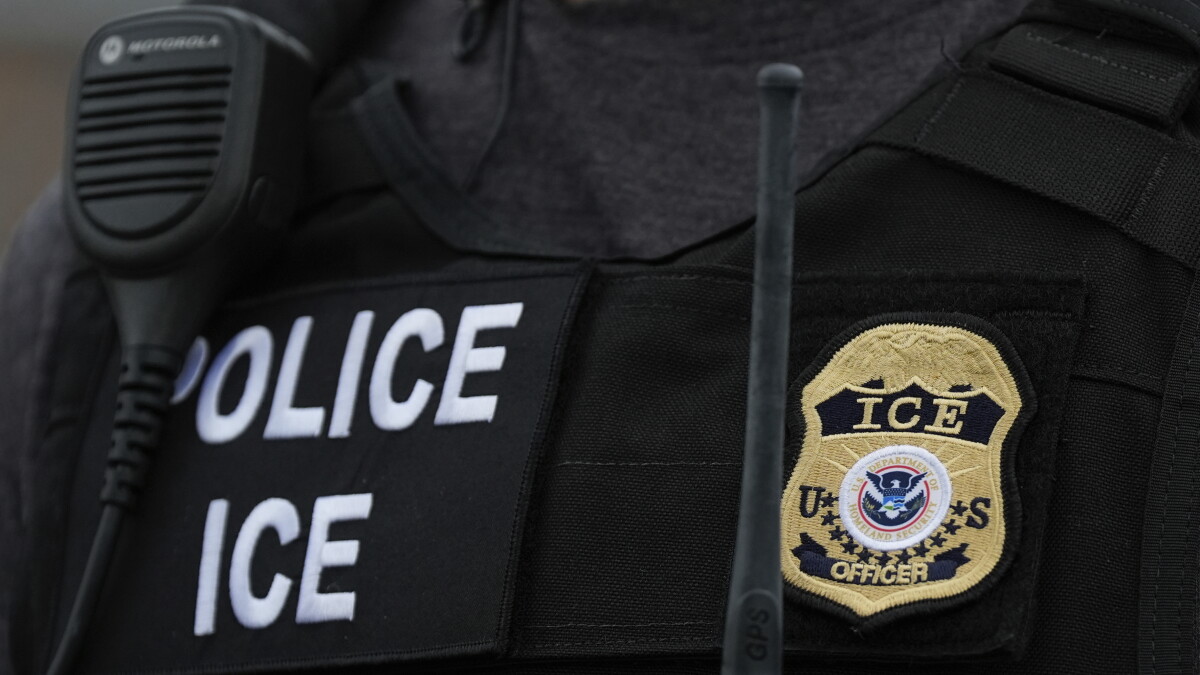
WASHINGTON, Oct 29 – Agents from the Federal Bureau of Investigation and Immigration and Customs Enforcement won’t work as election monitors in next week’s midterm elections, the United States Justice Department said late on Wednesday.
The move comes after concerns were raised that the presence of federal law enforcement at polling places could deter voters. The department made, in a court document filed during a lawsuit brought against it by the National Association for the Advancement of Colored People, a civil rights organization which seeks to ensure that Blacks are treated justly, the following undertaking.
According to the filing, the monitors won’t act as police while they are at the polls. They will mostly watch what goes on and take notes, and they won’t be allowed to carry guns.
The department said its monitors have been trained to stay out of the way of voting and to follow state and local rules, as they have done in the past.
Some of the staff will still come from law enforcement. People from the Federal Bureau of Prisons, the Bureau of Alcohol, Tobacco, Firearms and Explosives, and the Drug Enforcement Administration are on the list. But nobody from the Federal Bureau of Investigation or from the immigration agency will be sent, it said.
The civil rights group went to court this month to keep prosecutors and other law enforcement staff from serving as election monitors. It says the Trump administration’s plan is a way to scare voters, and that it breaks a part of the Voting Rights Act that bans voter intimidation.
The task appears to be an ambitious one. The department has signaled plans to send about 1,000 observers to counties in all 50 states for the elections scheduled for November 3, a considerable increase from previous years. According to the lawsuit, about 289 observers were sent during the 2022 midterm elections, while 714 were sent during the 2024 presidential election.
The department says there is nothing new about the work. It says it has sent monitors to the polls for decades, and that they will only watch for possible breaches of federal law and then report back. The department will look at those reports after Election Day. A spokesperson said earlier that it had never said it would send federal law enforcement to polling places.
Kristen Clarke sees it another way. She is the group’s general counsel, and she once ran the Justice Department’s Civil Rights Division under former President Joe Biden. She has said the department is using the monitors to keep people from voting. The group has also set up a hotline and a website where voters can report threats, long lines and other trouble at the polls.
Other civil rights groups share that worry. They say some people may stay home if agents from the immigration agency or from criminal units show up near the polls. They point most of all to immigrants and people from minority groups.
The fight is part of a wider push by the administration to take more control of how elections are run. The White House has pressed states to hand over voter data. It says tougher steps are needed so that people can trust the vote.
On Monday, President Donald Trump went further. He said on his Truth Social site that anyone who reports voter fraud that leads to an arrest and a conviction will be paid $1 million. He didn’t say where the money would come from, and the White House hasn’t given more details. Critics say the offer could lead to false claims and drag the vote further into politics.
Election experts from both major parties say there is no evidence of widespread voter fraud in the United States. They note that isolated cases, such as someone casting a ballot for a deceased relative, are rare and are usually detected.
Some state and local officials have said this month that they are preparing for possible federal interference in the election. They are concerned about disputes over voting rules and voter rolls, as well as federal personnel appearing near polling places.
In Wyoming, the governor has already had a run-in with the monitors. Mark Gordon said federal monitors acted in a pushy and unusual manner during the state’s primary election. Local officials said the monitors asked poll workers numerous questions about voting procedures and the equipment they use. A federal judge is now reviewing the case, but the court has not yet ruled on whether law enforcement personnel can be excluded from the monitor role.