Carney says Canada seeks greater sovereignty through Asia-Pacific trade
Mark Carney pitched Canada to business leaders in China as a reliable source of energy and minerals. He said trade with Asia will help Canada depend less on others.
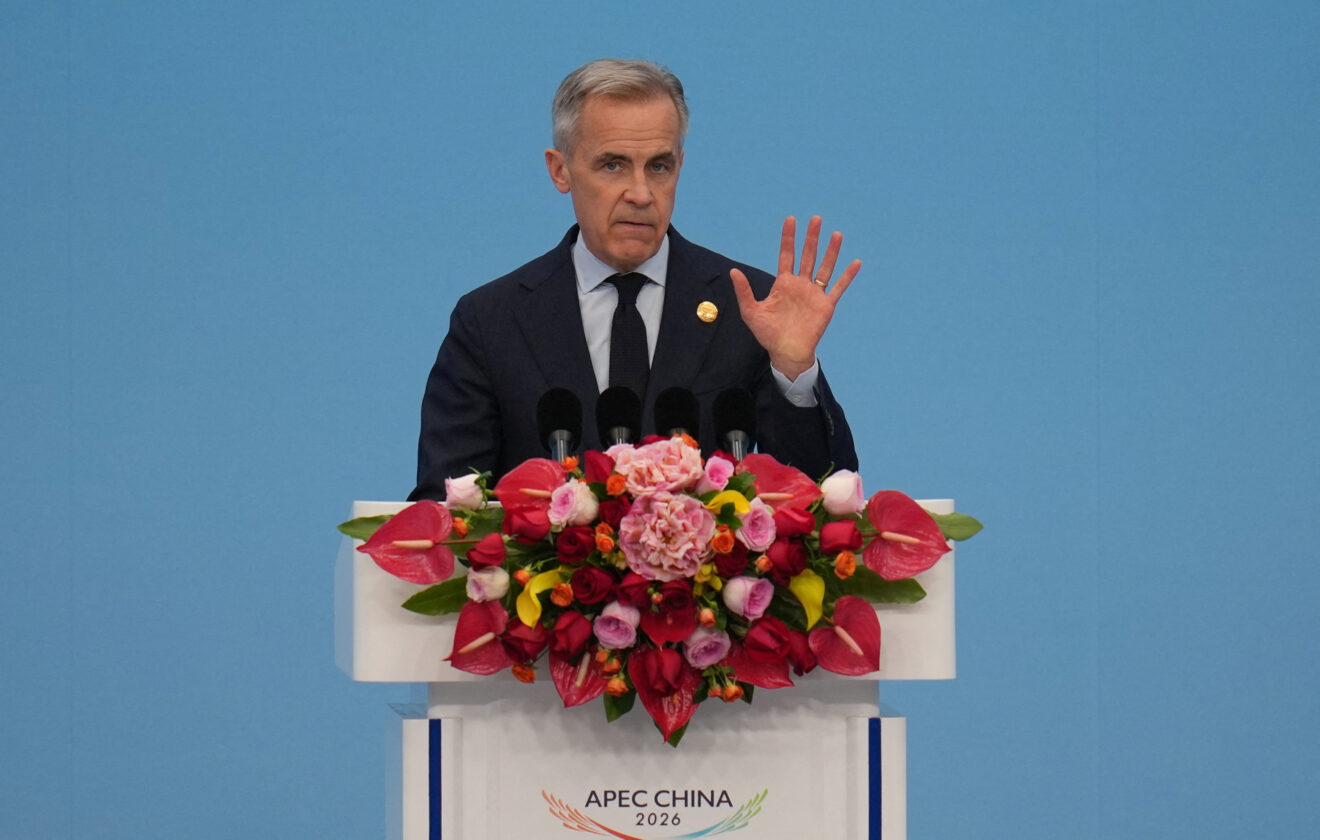
SHENZHEN, Nov 18 – Canadian Prime Minister Mark Carney said on Wednesday that Canada is seeking greater sovereignty by shifting more of its trade toward the Asia-Pacific region, pitching his country as a major supplier of energy and critical minerals.
Carney addressed business leaders at the chief executives’ forum held alongside the Asia-Pacific Economic Cooperation summit in Shenzhen, China.
He said Canada is turning global uncertainty into an opportunity at home, in a world that has become more dangerous and divided.
“Canada is choosing a path toward a stronger, more prosperous, more resilient future,” Carney said.
He said the goal is to strengthen Canada’s sovereignty while building shared resilience with its partners.
Carney described Canada as “a Pacific nation.” He said Canada plans to double the number of people its goods can reach in months without tariffs, from 1.5 billion people.
He pointed to free trade negotiations Canada has concluded with Southeast Asian partners. Canada said this week that it has largely completed talks with the Association of Southeast Asian Nations and finalized a separate agreement with the Philippines. Carney said negotiations with Thailand and India are still ongoing.
He also highlighted Canada’s reset with Beijing. China is Canada’s second-largest trading partner.
Carney said Ottawa and Beijing recently extended tariff relief, restoring market access for more than 90% of the Canadian trade that had been affected. He said the two sides also renewed a currency swap between their central banks.
The swap, he said, helps reduce reliance on a limited number of currencies and payment channels.
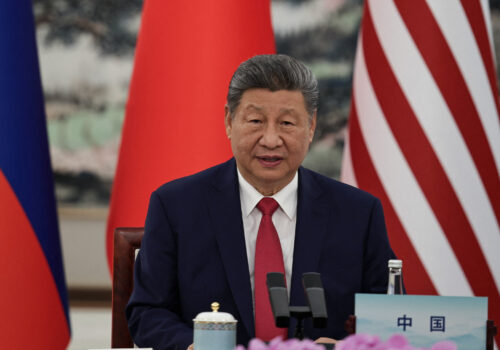
On Tuesday, Carney met Chinese President Xi Jinping in Shenzhen. Following the talks, his office said China would reduce tariffs on about 400 million Canadian dollars worth of Canadian exports, including pork and seafood.
In return, Canada agreed to extend its tariff relief on certain Chinese steel and aluminum products for two years.
Carney also discussed minerals. Over the past year, he said, Canada has signed more than 50 agreements on critical minerals with more than 15 countries.
He said those agreements have unlocked 20 billion Canadian dollars, or about $14 billion, in investment. Energy was a central part of his pitch.
Carney pledged to quadruple Canada’s exports of liquefied natural gas to Asia by the end of the decade. He said Canada has shipped more than 11 million tons since June last year.
He also said Canada is moving forward with the Pacific Link oil pipeline. And he said his government aims to generate 1 trillion Canadian dollars in domestic investment over five years.
The push toward Asia is a key element of Carney’s economic strategy. He wants Canada to rely less on the United States, its largest trading partner, which has imposed steep tariffs on many Canadian goods.
Washington imposed 50% tariffs on about $20 billion worth of Canadian goods after trade talks broke down in August. Canada responded with its own tariffs in September.
The two sides have since resumed negotiations. Carney said last week that they are making progress toward an agreement, but that a deal has not yet been reached.
Carney has set a goal of doubling Canada’s exports to countries other than the United States by 2035.
He’s also aiming to raise exports to China by 50% by the end of the decade. On Tuesday, he said Canada was well ahead of schedule on that target.
Still, the closer ties with Beijing have drawn criticism.
Security analysts and rights groups have warned they could put Canada’s security and values at risk. Critics also point to findings by Canadian intelligence that China interfered in past federal elections.
China has said it has no interest in interfering in Canada’s affairs.
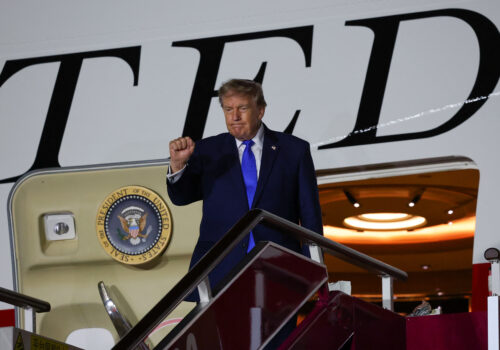
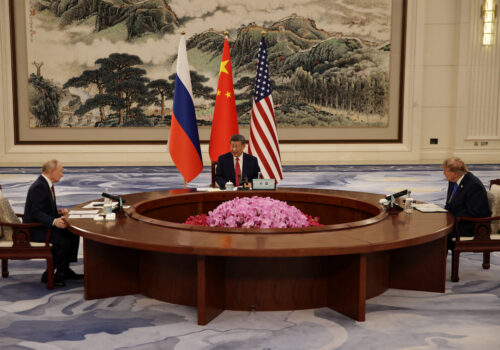
President Donald Trump is also due in Shenzhen for the summit. He’ll hold talks with Xi and Russian President Vladimir Putin on Thursday.