Trump Arrives In Shenzhen For APEC Summit, Greeted By Xi
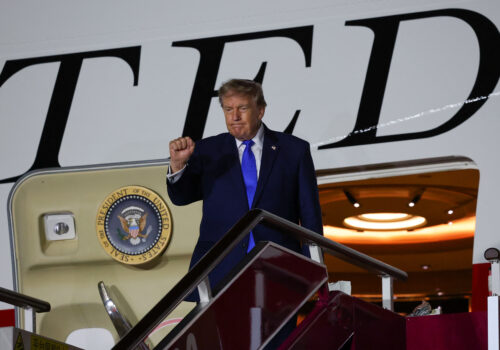
Donald Trump has landed in Shenzhen for the Asia-Pacific summit, where Xi Jinping met him in person on the tarmac. The two leaders will meet Vladimir Putin on Thursday.
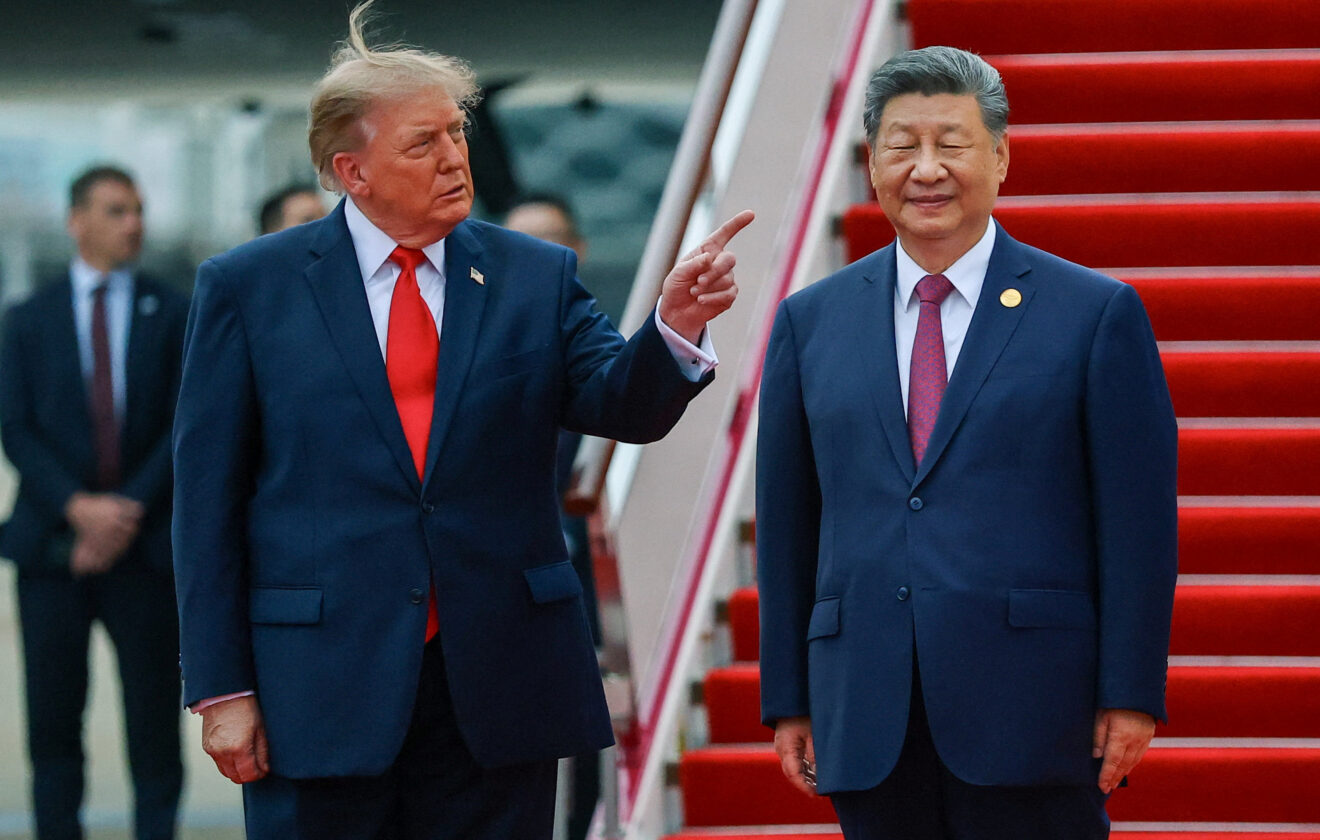
SHENZHEN, Nov 18 – President Donald Trump arrived in Shenzhen on Wednesday to a warm welcome from Chinese President Xi Jinping, who greeted him with a hug on the tarmac as the two leaders prepared to attend the Asia-Pacific Economic Cooperation summit.
China’s state news agency, Xinhua, described the welcome as warm. A military honor guard saluted Trump, children handed him flowers and fighter jets flew overhead.
Xinhua said Xi recalled his own visit to the United States in September, when Trump and his wife made a special trip to the airport to greet him and held a grand welcome ceremony.
“I welcome your renewed visit to China,” Xi said, according to Xinhua.
He said he looked forward to in-depth talks with Trump on major issues in relations between China and the United States, cooperation in the Asia-Pacific and the global order. Xi said he wanted to build a constructive, strategic and stable relationship based on respect, fairness and equality.
Trump thanked Xi for coming to the airport to welcome him in person, Xinhua said.
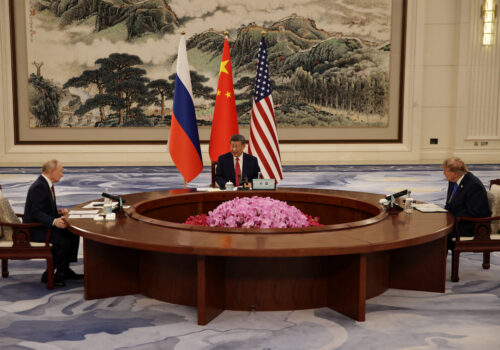
The highlight comes on Thursday. Trump, Xi and Russian President Vladimir Putin are set to hold their first-ever three-way meeting on the sidelines of the summit.
It will bring together the leaders of three major nuclear powers. The talks could cover nuclear arms control, the war with Iran and Russia’s war in Ukraine, as well as trade and artificial intelligence. Officials and analysts have played down the chances of major agreements.
The White House has said Trump will push for cuts to nuclear weapons, which he has called very dangerous. China has long refused to join arms talks with Russia and the United States, saying the two should talk directly, since they hold far larger stockpiles.
Putin, who arrived in Shenzhen early on Wednesday, said he expects big benefits from the meeting. He told business leaders that disagreements between countries can be settled by sitting at the table.
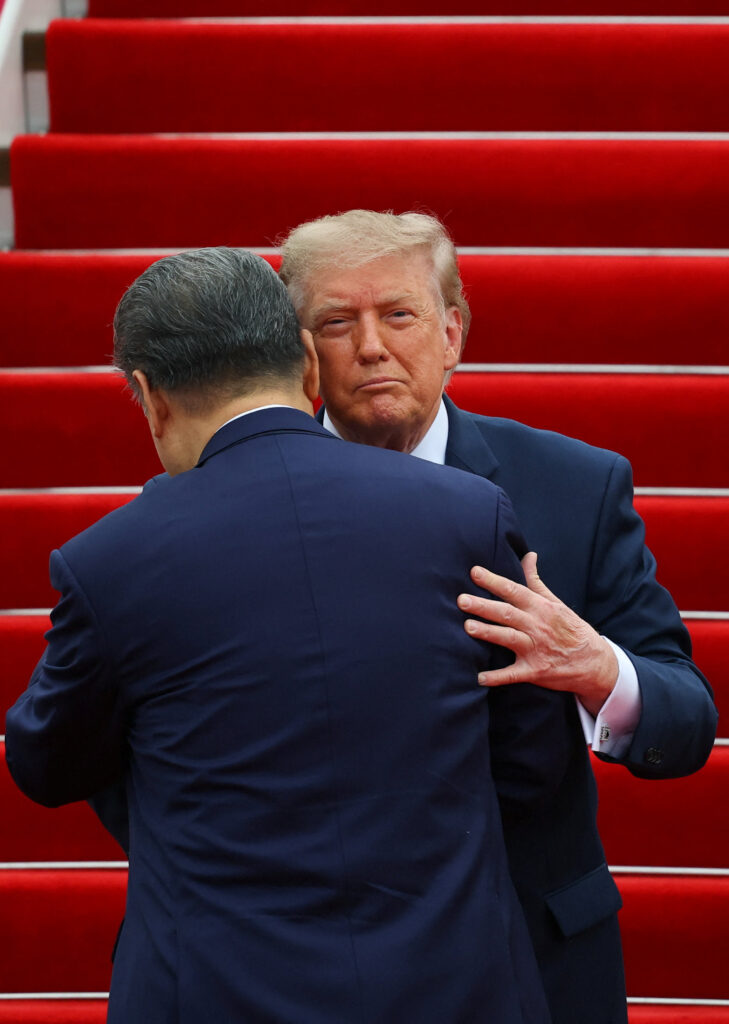
Chinese President Xi Jinping welcomes US President Donald Trump to attend APEC in China, November 18, via REUTERS
Beijing has said the talks are of “groundbreaking significance” and will promote world peace.
The meeting has been compared to the 1945 Yalta Conference, where the leaders of the United States, Britain and the Soviet Union divided spheres of influence after World War Two. The Kremlin has brushed off that comparison.
Still, smaller countries in Europe and Asia worry that the three powers could make deals that ignore their interests. Ukrainian President Volodymyr Zelenskyy has warned against any attempt to redraw spheres of influence.
Trump has also raised the possibility of meeting North Korean leader Kim Jong Un while in China. He has said it is up to Xi. No meeting has been confirmed.
Ties between Washington and Beijing are under strain. The United States recently tightened limits on China’s access to advanced chips, and China has vowed to respond. The scandal involving former Nvidia chief Jensen Huang and an alleged Chinese spy has added to the tension.
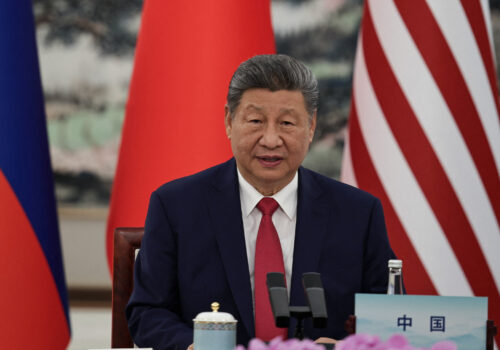
Earlier on Wednesday, Xi opened the summit’s business forum with a call for free and open trade and a pledge to oppose protectionism. Putin told the same forum that Western sanctions on Russia had failed.
Most analysts expect Washington and Beijing to keep relations fairly steady, despite lingering tensions over trade, technology and security. Trump and Xi are due to meet again at the Group of 20 summit in Miami in December.
The Asia-Pacific Economic Cooperation forum was set up in 1989 to promote economic cooperation across the region. Its 21 member economies include China, the United States, Russia, Japan, Australia and Canada. Together, they account for about 60% of global economic output, half of world trade and around 40% of the world’s people.
The forum does not take binding decisions. Instead, it serves as a place for leaders to build agreement on trade and economic cooperation, with discussions often covering issues such as market access, supply chains, investment and regional growth.
This is Trump’s second trip to China this year. He first visited in May, when the two sides discussed trade and other issues amid efforts to stabilise ties between the world’s two largest economies.