Albanese Urges APEC Partners To Cooperate On Artificial Intelligence
Anthony Albanese called for regional cooperation on artificial intelligence at the APEC summit in Shenzhen. He also said he will join the leaders’ family photo alongside Vladimir Putin.
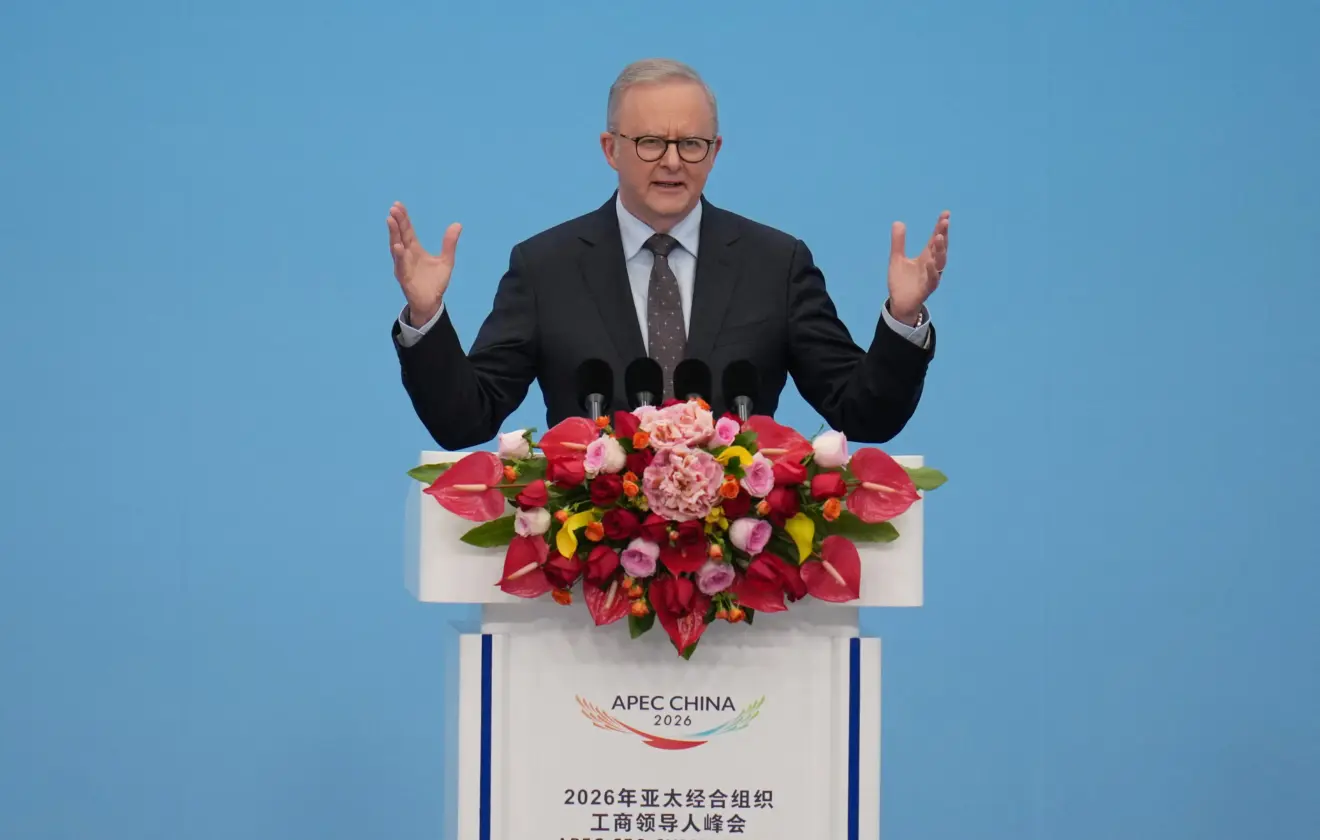
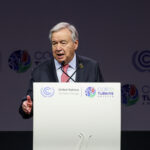
SHENZHEN, Nov 18 – Australian Prime Minister Anthony Albanese on Wednesday called on countries and businesses across the Asia-Pacific to work together on artificial intelligence, saying the technology could deliver major gains for the region.
Albanese spoke at the Asia-Pacific Economic Cooperation summit in Shenzhen, China.
He said Australia is ready to work with businesses and governments in the region to seize the chances that artificial intelligence offers and to boost shared prosperity.
He said its economic potential is enormous, not just for the Asia-Pacific but for the whole world.
Albanese said Australia is working with partners and businesses to accelerate the use of digital tools, close digital divides and manage the risks associated with the technology.
He said Australia wants to shape artificial intelligence rather than be shaped by it.
To achieve that, he said, Australia is setting clear national standards to ensure the technology is used safely, attract investment and prevent data centers from harming the economy, local communities or the environment.
He also said the forum has an important role in ensuring that the entire region shares in the benefits, including higher productivity, economic growth and new jobs.
Albanese arrived in Shenzhen on Wednesday. He said he will join the leaders’ family photo, even though Russian President Vladimir Putin will also be in it.
He said he would respect the wishes of the host, China, and take part. Canadian Prime Minister Mark Carney has given the same reason for his decision to join.
But Albanese said he would make Australia’s view on the war in Ukraine clear. He described Russia’s invasion as a big power acting illegally to force its will on another country, and said Moscow had underestimated the courage of Ukrainians fighting for their sovereignty.
The family photo is a tradition at the summit. Leaders from the forum’s 21 economies stand together for a group picture.
Putin’s presence has made it a sensitive moment for some Western leaders. It is his first in-person appearance at the forum’s leaders’ meeting since 2017.
On Wednesday, he told business leaders in Shenzhen that Western sanctions had failed.
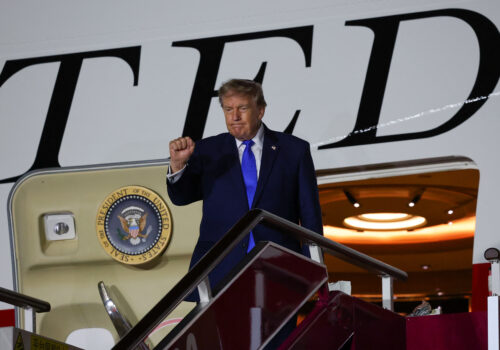
Albanese came to Shenzhen from Manila. On Tuesday, he joined a meeting of the Quad, a group of Australia, the United States, Japan and India, alongside President Donald Trump.
After that meeting, he spoke up for the role of middle powers: “Absolutely there is a role for middle power diplomacy”.
He said that in Shenzhen, Australia would work with countries such as Canada, Mexico, South Korea and Japan. He called them important partners.
Albanese is due to meet Chinese President Xi Jinping on Friday.
China is Australia’s largest trading partner. Relations between the two countries have improved in recent years after a period of sharp tension.
The forum was established in 1989. Its 21 members include China, the United States, Russia, Japan, South Korea, Australia, Canada, Indonesia, Malaysia and Vietnam. Together, they account for more than 60% of global economic output and about 40% of the world’s population.
Artificial intelligence is one of the main topics at this year’s meeting.
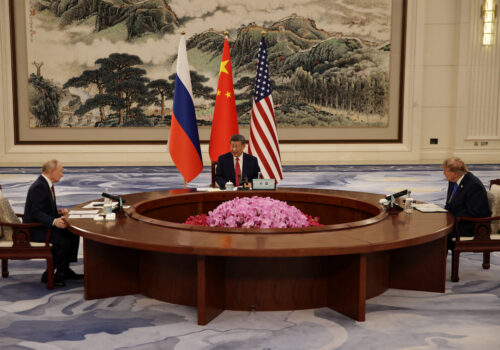
The summit is also drawing attention because Trump visits China. On Thursday, Trump, Xi and Putin are set to hold their first-ever three-way talks, which could cover the wars in Ukraine and Iran, trade, technology and nuclear weapons.
The leaders’ summit runs through Thursday, bringing together officials from across the Asia-Pacific region amid growing economic and geopolitical uncertainty.
Discussions are expected to focus on strengthening regional trade, securing supply chains, expanding digital cooperation and addressing the rapid development of artificial intelligence. The gathering also provides an opportunity for leaders to discuss tensions over critical minerals, export restrictions and access to advanced technologies.
For Australia, the summit offers a chance to deepen ties with regional partners while balancing its economic relationship with China and its security partnership with the United States.
Albanese’s meeting with Xi is expected to focus on trade, investment and ways to maintain stable relations between the two countries.
The outcome of the summit will be closely watched, particularly as major powers seek to manage competition over technology, resources and influence across the Asia-Pacific.