Electricity Prices Turn Into a Surprise Midterm Battleground Over Soaring Power Bills
Candidates from both parties are promising to curb power bills, from rate freezes to tougher regulators. Utilities warn that cutting their returns could hurt the grid.
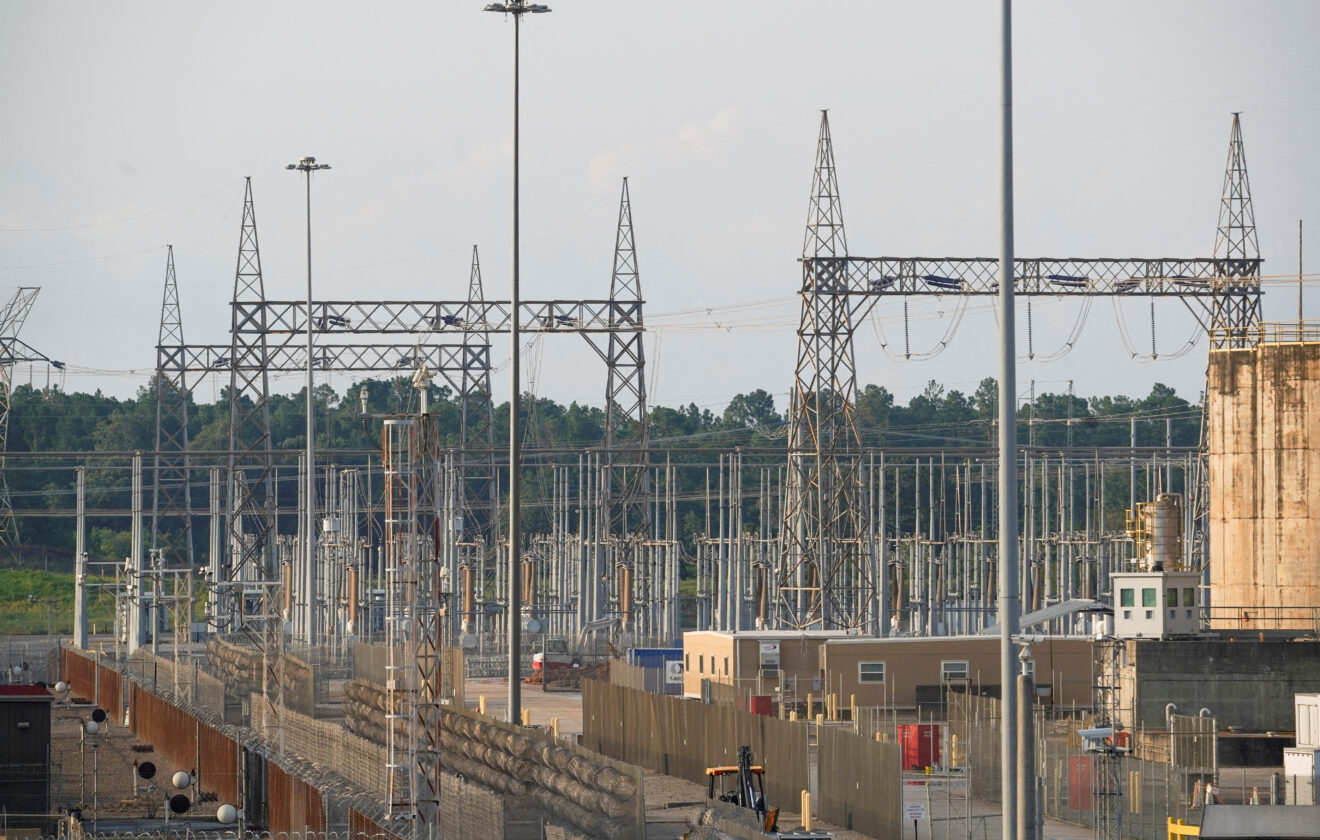
NEW YORK, Oct 31 – Power bills do not usually decide elections in the United States. This year, they might. As electricity costs climb and households feel the strain, energy prices are becoming a more visible political issue one that candidates may find harder to ignore.
Americans are frustrated by rising electricity prices and angered by agreements that bring in data centers, which consume enormous amounts of power. That frustration has turned utilities into a major issue in the midterm elections.
The numbers help explain why. Household electricity prices are up more than 10% since 2024, the year Donald Trump won the White House, and Republicans took both houses of Congress. That figure comes from the Energy Information Administration. It’s a faster rise than for most other things people buy.
In some states, it’s worse. Bills have gone up even more in Ohio, Michigan and Pennsylvania. All three are swing states, and all of them are hot spots for new data centers. In some cases, power bills there have risen at three times the pace of inflation.
So candidates are aiming at the power companies. Many of those running for top state jobs have promised to get tough. Some want to freeze rate increases. Others want to cut the profits that utilities are allowed to make. Either step could shake up the whole industry.
Charles Hua runs PowerLines, a nonprofit that wants utility rules to favor customers. He said this may be the first midterm where utilities and power bills are a top issue. People’s bills keep going up and up, he said, and they don’t see an end to it.
Understanding how the system works is important. Utilities cannot raise prices on their own. In most states, they must get regulators’ approval to invest in the grid and to recover those costs from customers through higher bills. Regulators also decide how much profit utilities are allowed to make on their investments.
Right now, utilities are seeking large increases. This year, their rate-hike requests are on track to match last year’s record of about $31 billion, according to a PowerLines survey. That figure was twice the record set the year before.
They also plan to spend big. Investor-owned utilities are expected to put almost $1.3 trillion into new equipment over the next five years. That’s a record too, according to S&P Global’s Regulatory Research Associates.
Some voters will get to pick their regulators directly. Seats on nine state utility commissions are on the ballot this year. That’s nearly every state where voters choose them. Two of those states, Arizona and Georgia, are fast becoming major hubs for data centers.
In other states, the governor picks the regulators. And this year, 36 states are electing a governor.
Ohio is a good example. Democrat Amy Acton has promised to bring down energy bills if she wins the governor’s race. Her campaign said she would name a utility commission that isn’t beholden to the power companies. It said she would also work with the state’s attorney general to go after what it called excessive rate hikes and predatory practices.
Ohio families have already felt the impact. Their electricity bills have risen by more than 20 percent over the past two years, according to the Energy Information Administration.
Amy Acton has also called for a pause on new data centers. Her Republican rival, Vivek Ramaswamy, has gone even further on energy costs, saying that Ohio residents living near data centers should not have to pay for electricity at all.
Some governors already in office are using their authority to push prices down, pressuring utilities and regulators to limit rate increases and protect households from further increases.
Pennsylvania Governor Josh Shapiro is one of them. He’s a Democrat, and he’s running for another term. In April, he said PECO Energy Company had agreed to withdraw its request for a rate increase after he demanded it, a move he said would save families as much as $34 a month. He then wrote to the heads of other utilities, urging them to change how they justify their spending and the profits they earn.
Jamie Van Nostrand used to run the Massachusetts Department of Public Utilities. He’s now a senior fellow at the Kleinman Center for Energy Policy at the University of Pennsylvania. He said governors are using the fight over energy costs to take a hard look at how utilities are regulated. They want to know if the old model still makes sense, he said.
It wasn’t always like this. For about 10 years, power bills rose slowly, in line with low inflation. They weren’t a big topic in most elections.
That changed last year in New Jersey. Mikie Sherrill ran for governor on a promise to freeze utility bills, and she won. She froze them on her first day in office.
Virginia did something similar. It has more data centers than anywhere else in the world. Its governor, Abigail Spanberger, followed the same path. Industry analysts say other winners this year may copy that playbook.
The utilities don’t like it. They and their backers say cutting profits and freezing rates won’t save families much. What it could do, they say, is cut the money going into the grid over the long run.
Drew Maloney, who heads the Edison Electric Institute, a trade group representing investor-owned utilities, described the power grid as “America’s greatest machine.” He said it does not follow the political calendar and needs steady annual investment to keep the lights on.
Wall Street is taking notice as well. In June, credit rating agency Fitch changed its outlook for North American utilities from “neutral” to “deteriorating,” pointing to political pressure during the midterm elections to keep bills and utility profits in check.
Because utilities plan their investments decades ahead, it is hard to predict how quickly political action will affect prices or grid reliability. Still, Charles Hua believes the biggest changes lie ahead. “I do think the real meat will come after the election,” he said.