Iran Tells Pakistan No Talks With Washington Until Demands Met
Iran talks with Washington stay stalled over seven demands, even as Pakistan mediation continues in Tehran.
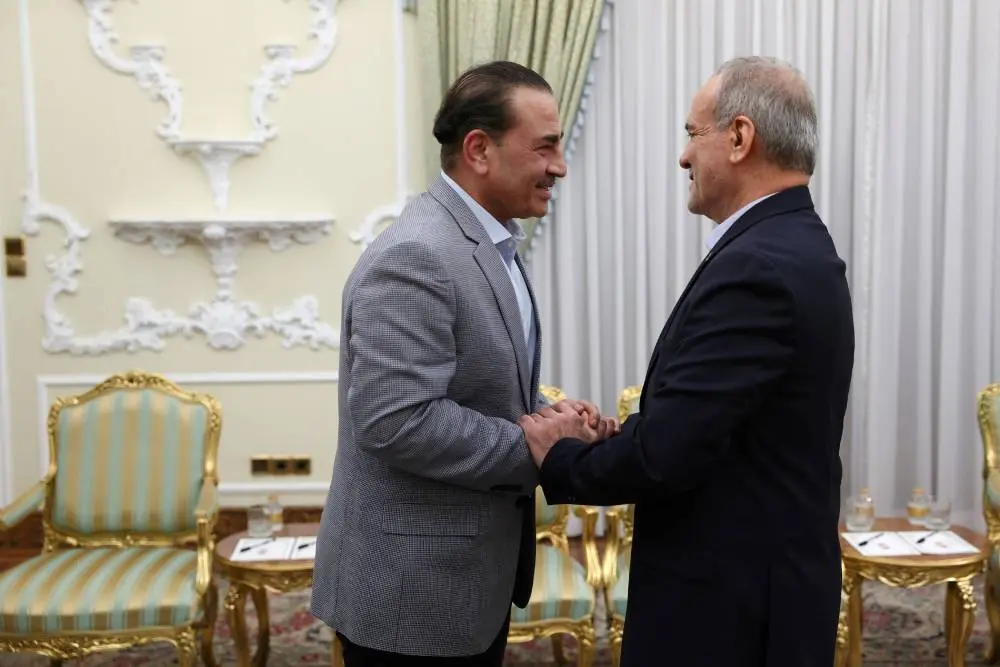
Iran informed Pakistan’s army chief on Tuesday, October 20, that it will not enter negotiations with Washington until its demands are fulfilled, according to Iranian media. The statement reflects Tehran’s increasingly firm position, despite Pakistan’s continued efforts to mediate between the two sides.
Iranian President Masoud Pezeshkian received Field Marshal Asim Munir in Tehran, and the two discussed regional developments and mediation efforts, according to the Iranian news agency Nournews. Munir arrived with a delegation of Pakistani officials, and his first meeting of the day was with Foreign Minister Abbas Araghchi. The visit follows earlier talks between Munir and Iranian leaders this summer on preventing escalation and reopening the Strait of Hormuz.
Parliament Speaker Mohammad Baqer Qalibaf, who is Iran’s chief negotiator, told Munir that Washington cannot regain Tehran’s trust until it meets seven conditions Iran set last month for reopening the strait, according to an Iranian account of the meeting. The demands include an end to the American naval blockade of Iranian ports, the lifting of sanctions on Iranian oil exports, the release of frozen Iranian assets, and an end to hostilities on all regional fronts, including the fighting involving Israel and Iran-aligned groups in Lebanon.
The conditions form part of the seven-day plan Tehran conveyed to Washington through Qatar in late September. It says the strait, through which a large share of the world’s oil passes, could reopen within a week if the conditions are met. Iran has effectively kept the waterway closed since the war began in February. Araghchi said on Sunday that the offer is reasonable and remains on the table
Mohsen Rezaei, the secretary of Iran’s Supreme National Security Council, gave Munir a similar message in a separate meeting, saying there would be no talks until Tehran’s demands are met. He also said all of Iran’s enriched nuclear material will stay inside the country, repeating the position of Supreme Leader Ayatollah Mojtaba Khamenei that near-weapons-grade uranium should not be shipped abroad.
That position collides with Washington’s demands. Vice President J.D. Vance said earlier this month that Iran must make a meaningful reduction in its uranium enrichment capacity to satisfy the United States and end the eight-month war. He said such a cut would show that Iran is not seeking nuclear weapons.
Israel, the United States, and other Western governments have long accused Iran of seeking nuclear weapons, pointing in particular to its enrichment of uranium to 60 percent purity. That level is far above what is needed for civilian purposes and approaches the roughly 90 percent purity required for weapons-grade material.
Iran denies pursuing nuclear weapons and maintains that its nuclear programme is peaceful. However, its refusal to transfer enriched uranium outside the country has become one of the major obstacles to restarting negotiations.
The meetings follow an earlier report on Tehran’s approach to the talks. Three senior Iranian officials and an Iranian insider, speaking anonymously, said Iran is deliberately keeping the negotiations stalled to weaken President Donald Trump politically before the November 3 midterm elections. One of the officials said Iran is preparing for renewed Israeli and American attacks and not for a deal with Washington. Saeed Leylaz, an analyst in Tehran, said that by prolonging the talks, Iran influences the American election “without taking any unlawful action.”
Trump has said the United States will not bomb Iran again before November 3, and the naval blockade remains in place. Defense Secretary Pete Hegseth discussed Iran with Israeli Prime Minister Benjamin Netanyahu on Monday during an unannounced visit to Israel, according to three Israeli officials.
Pakistan’s earlier mediation helped produce an interim peace agreement in June, known as the Islamabad Memorandum. The agreement unraveled within weeks, and fighting between Iran and the United States resumed. Pakistan’s army chief also visited Tehran in August and met Pezeshkian.
Iran is facing cost issues due to the delay. Annual inflation reached 73.6 percent in September, according to Iran’s Statistical Center, and the rial has lost nearly 35 percent of its value against the dollar since Washington reimposed its naval blockade in July. Iran’s seaborne crude exports fell to zero in the second week of September and remained there as of October 5, according to the tracking firm Vortexa.
Iranian officials said Tehran has nothing new to tell Washington and that the United States must first respond to Iran’s existing conditions. Pakistan continues to act as a channel of communication between the two sides, but Iran sees no basis for direct talks unless its political, economic and security demands are addressed first.