Trump’s three foreign policy moves that could decide the midterms
In the span of one week, President Donald Trump made three foreign policy moves on three continents. On Oct. 8, he announced that the United...
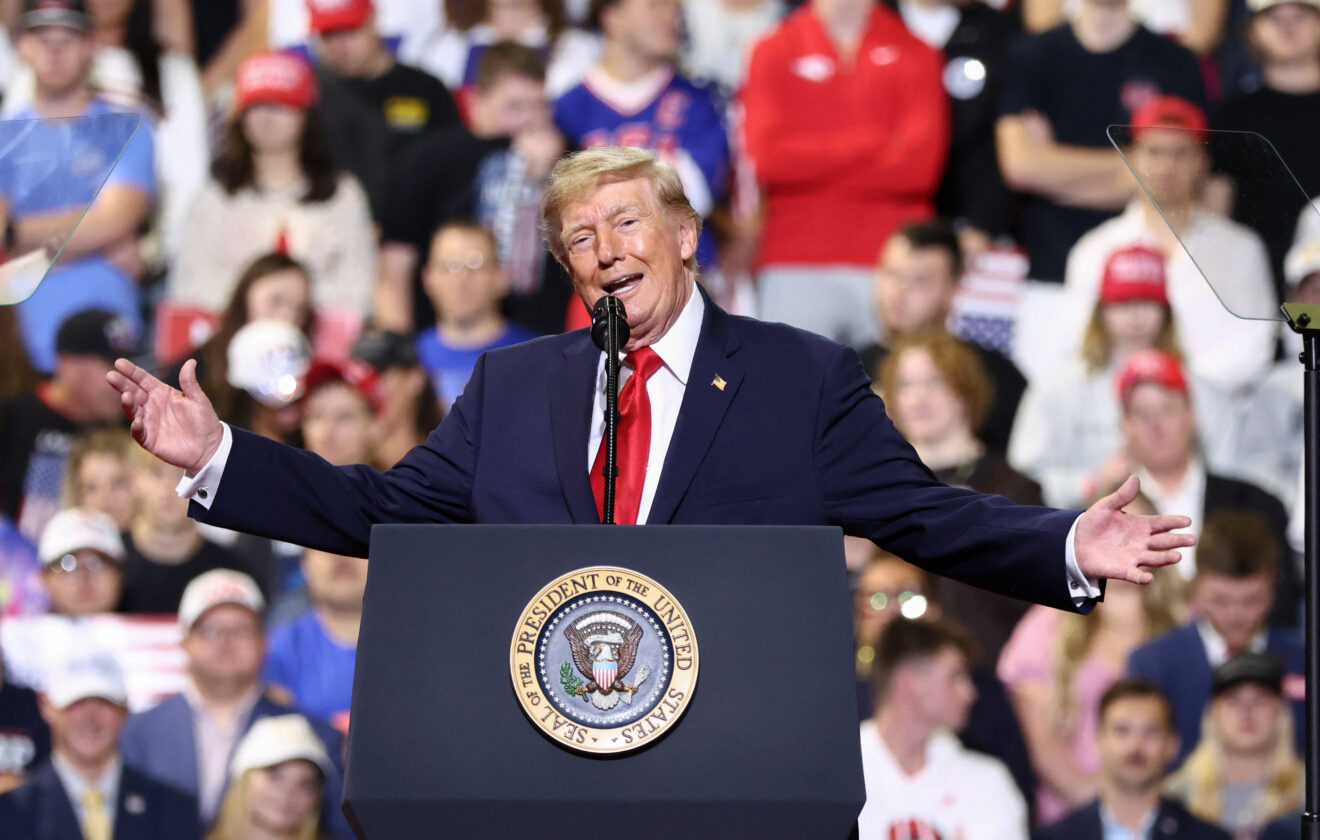
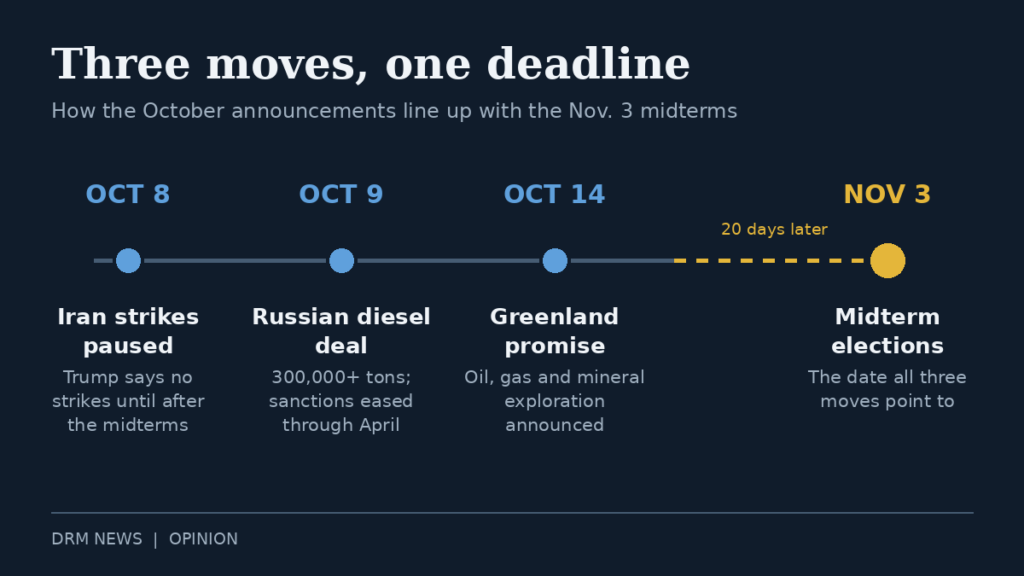
In the span of one week, President Donald Trump made three foreign policy moves on three continents. On Oct. 8, he announced that the United States would pause strikes on Iran until after the midterm elections, reversing a stance he had taken the previous evening and stalling an eight-month military campaign. On Oct. 9, Washington finalized a deal allowing Russia to supply more than 300,000 tons of diesel to global and domestic markets. The Treasury Department then issued a temporary license easing sanctions through April, weeks after the administration authorized tariffs of up to 100 percent on major buyers of Russian energy. On Oct. 14, the president posted that massive oil, gas, and mineral exploration was set to begin in Greenland, about three weeks after a Sept. 22 security agreement with Denmark and Greenland that established two new U.S. military bases.
A conflict on pause, a sanctions carve-out for a strategic competitor, and an Arctic promise look unrelated. Place them on one timeline, though, and they converge on a single date: Nov. 3, Election Day. This piece argues that the midterm clock explains the timing of all three, and that governing by calendar carries a price the White House has not acknowledged.
A president at two tables
The political scientist Robert Putnam described foreign policy as a “two-level game.” A head of state sits at two tables at once. At the international table, the leader negotiates with foreign counterparts, manages alliances, and directs military operations. At the domestic table, the leader manages party coalitions and works to win elections. A strategy that holds at the first table but collapses at the second cannot last.
Right now, the second table is under severe strain. The administration’s approval rating averages 36 percent. Democrats lead the generic ballot by eight to nine points, which yields a forecasted 76 percent chance that they retake the House. Economic pain sharpens the problem. Average U.S. diesel prices hit a record $6.53 per gallon in late September, pushing up the cost of transportation, agriculture, and consumer goods. Meanwhile, disapproval of the war in Iran, launched on Feb. 28 with Israel under Operation Epic Fury, runs between 66 and 71 percent.
| Domestic pressure | Foreign policy move |
| Record diesel prices ($6.53 per gallon) | Russian diesel sanctions relief |
| 66 to 71 percent disapproval of the Iran war | Strike pause until Nov. 3 |
| Approval rating below 40 percent | Greenland energy and resource announcement |
Three moves, one logic
Each decision serves one of three goals: pause escalation, ease energy prices, and project future opportunity.
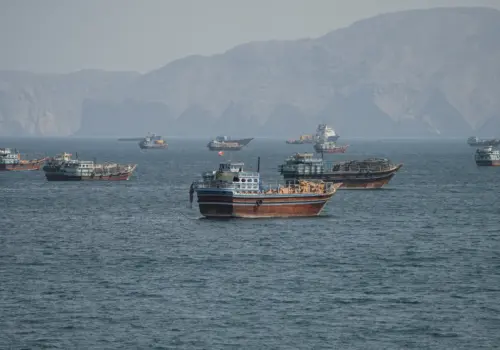
The Iran pause: The confrontation did not begin this year. In June 2025, a 12-day conflict ended with U.S. strikes on the nuclear sites at Fordow, Natanz, and Isfahan. On Feb. 28, 2026, the United States and Israel launched Operation Epic Fury, a far larger campaign aimed at Iran’s leadership, missile sites, drone programs, and navy, and it began while nuclear talks were still under way. Iran retaliated across the region, and the Strait of Hormuz, the channel for about a fifth of the world’s oil, became the front line. A ceasefire and a short-lived U.S. escort operation in May did not end the standoff. Washington now blockades Iranian ports, and the administration estimates the blockade costs Iran $400 million to $500 million a day.
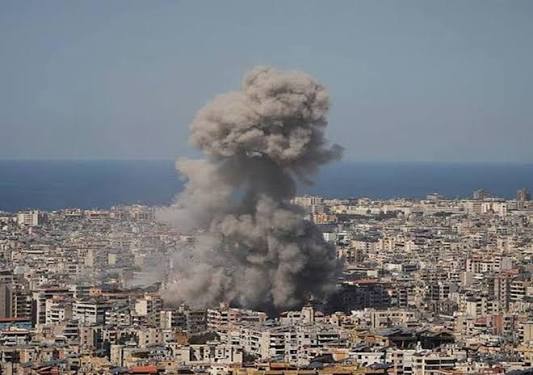
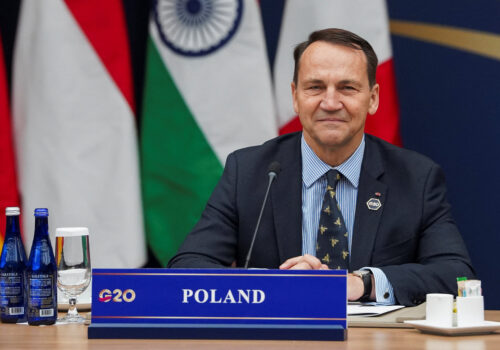
Where it stands. On Oct. 7, reports said the Pentagon had told Central Command to prepare to resume major combat and that the White House was seeking strike options before the election. A day later, Trump wrote that the United States would not attack Iran at any time before the midterms, citing productive talks. Tehran has denied any talks, and the blockade stays in place. Israel’s prime minister, who also faces an election, said a strike beforehand would not be convenient. A pause that arrives one day after strike options leak, and expires on Election Day, is hard to read as pure diplomacy.
The Russian diesel waiver. Washington banned Russian oil imports and restricted Russian fuel after the full-scale invasion of Ukraine in February 2022, and it has tightened the screws since. In October 2025, it imposed the first direct sanctions of Trump’s second term on Russia’s two largest oil companies, Rosneft and Lukoil. When the Hormuz closure sent prices soaring this spring, the Treasury began issuing 30-day waivers for Russian oil already at sea. Weeks ago, Trump signed new legislation toughening sanctions on Russia’s oil and gas sector.
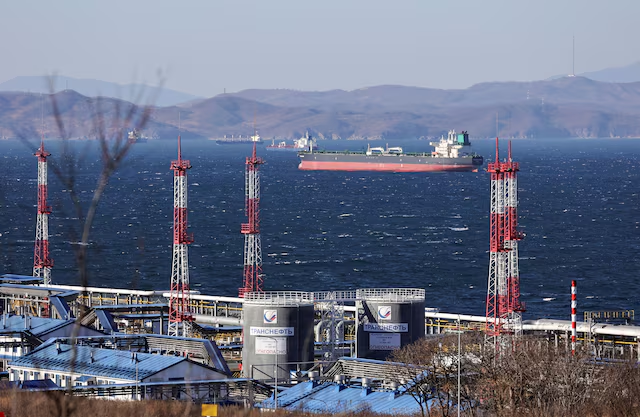
Where it stands. On Oct. 9, after a call with Vladimir Putin, Trump announced that Russia would release 300,000 tons of diesel immediately, 500,000 tons in November, and 1 million tons after that, with up to 3 million more depending on the condition of Russia’s refineries. Within minutes, the Treasury issued a general license permitting Russian diesel until April 7, 2027. European and British sanctions remain in force. Ukraine’s president condemned the move, and lawmakers in both parties objected. Analysts say the relief may be small: the full deal is roughly equal to one day of global diesel use, and the first shipment equals only about 15 hours of U.S. consumption. A policy with this little price effect and this much political cost serves a message more than a market.
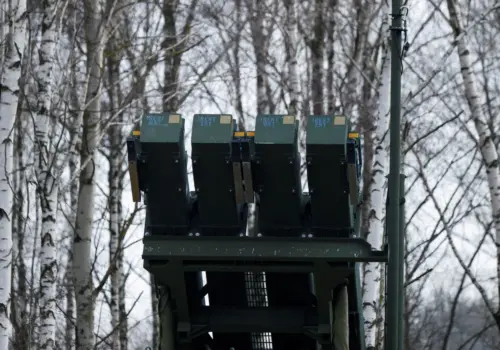
The Greenland promise: American interest in Greenland is old. Washington offered to buy the island in 1946, and the 1951 defense agreement with Denmark gave it a lasting military presence, centered on the Pituffik Space Base. Trump revived the idea of buying Greenland in his first term. In 2025, he went further, refusing to rule out force, which set off protests in Greenland and Denmark and a rare crisis inside NATO. Denmark and Greenland rejected any change of sovereignty. In 2021, Greenland also suspended new oil and gas licensing.
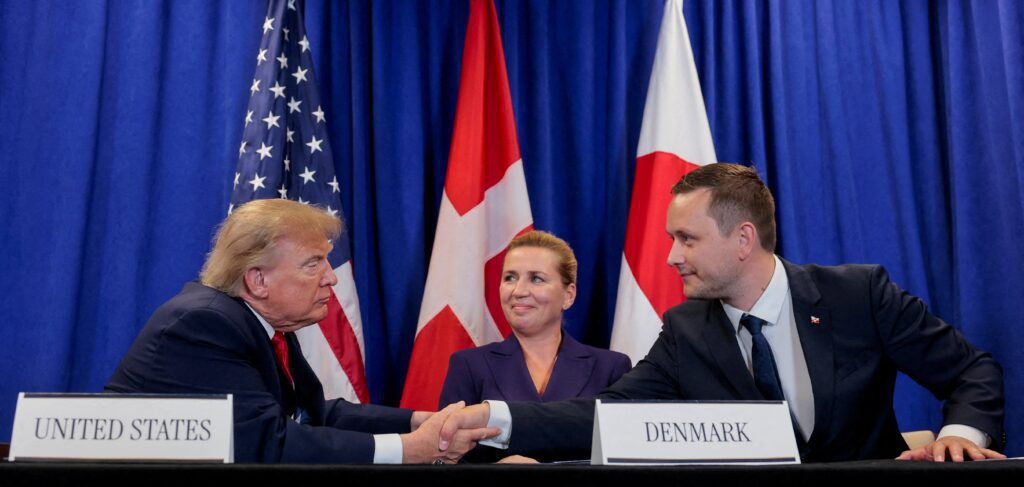
Where it stands. On Sept. 22, Trump, Denmark’s prime minister, and Greenland’s premier signed a security agreement that amends the 1951 deal. It lets the United States expand Pituffik, build new bases at Narsarsuaq and Mestersvig, and bar non-NATO countries from establishing bases without the parties’ consent. It has no expiration date. On Oct. 14, Trump posted that “massive” oil, gas, and mineral exploration was “getting ready to begin” on the island, without details. The agreement itself gives the United States no exclusive right to Greenland’s oil, gas, or minerals, and the 2021 moratorium remains. The security win is real, and the exploration claim has no policy behind it yet.
The best case against this reading
Pinning everything on electoral math overlooks other forces. The Greenland agreement came after months of negotiations following a review of the 1951 bilateral defense treaty, and multilateral diplomatic schedules, including the United Nations General Assembly calendar, helped set its timing. The administration’s stated aim for easing diesel sanctions was price stabilization, not electioneering. Operation Epic Fury also began in February despite internal warnings about political risk, and allied election timelines, including Israel’s, shape military and diplomatic scheduling independently of Washington.
These points are fair, and they explain how each decision started. What they do not explain is why three announcements on three continents landed in a single week, weeks before an election the president’s party is at risk of losing. Even if each choice has a defensible origin, the clustering looks like a strategy built around a date.
The price of a deadline
Anchoring foreign policy to a domestic date has costs. It strains relations with allies who notice that decisions track the American calendar. It invites pushback from lawmakers who oversee those decisions. And it hands adversaries a predictable timeline, since they can wait out a pause or time their moves to it.
Voters will deliver the first verdict on Nov. 3. The harder test comes after: how the paused conflict, the temporary waiver, and the Arctic commitment hold up once the campaign ends. Deadlines pass. The war, the waivers, and the promises will still be there on Nov. 4.