Houthi Attacks on Saudi Airports and Aramco Raise Stakes in Iran War
Houthi missiles and drones hit airports and energy sites across Saudi Arabia this week, killing at least 20 people and pushing the Yemen war deeper...
Houthi missiles and drones hit airports and energy sites across Saudi Arabia this week, killing at least 20 people and pushing the Yemen war deeper into the kingdom as the wider conflict with Iran drags on.
The deadliest strike came on Saturday, Oct. 10, when a missile hit King Khalid International Airport in Riyadh. Saudi aviation authorities first reported 12 dead and more than 300 wounded, and later tallies put the toll at 13. The Houthis claimed responsibility. A second strike on Sunday killed one person and injured about a dozen. The airport was hit four times in five days. Earlier attacks killed a pilot and two other Saudi citizens, and an attack on Abha airport killed two people and wounded 28.
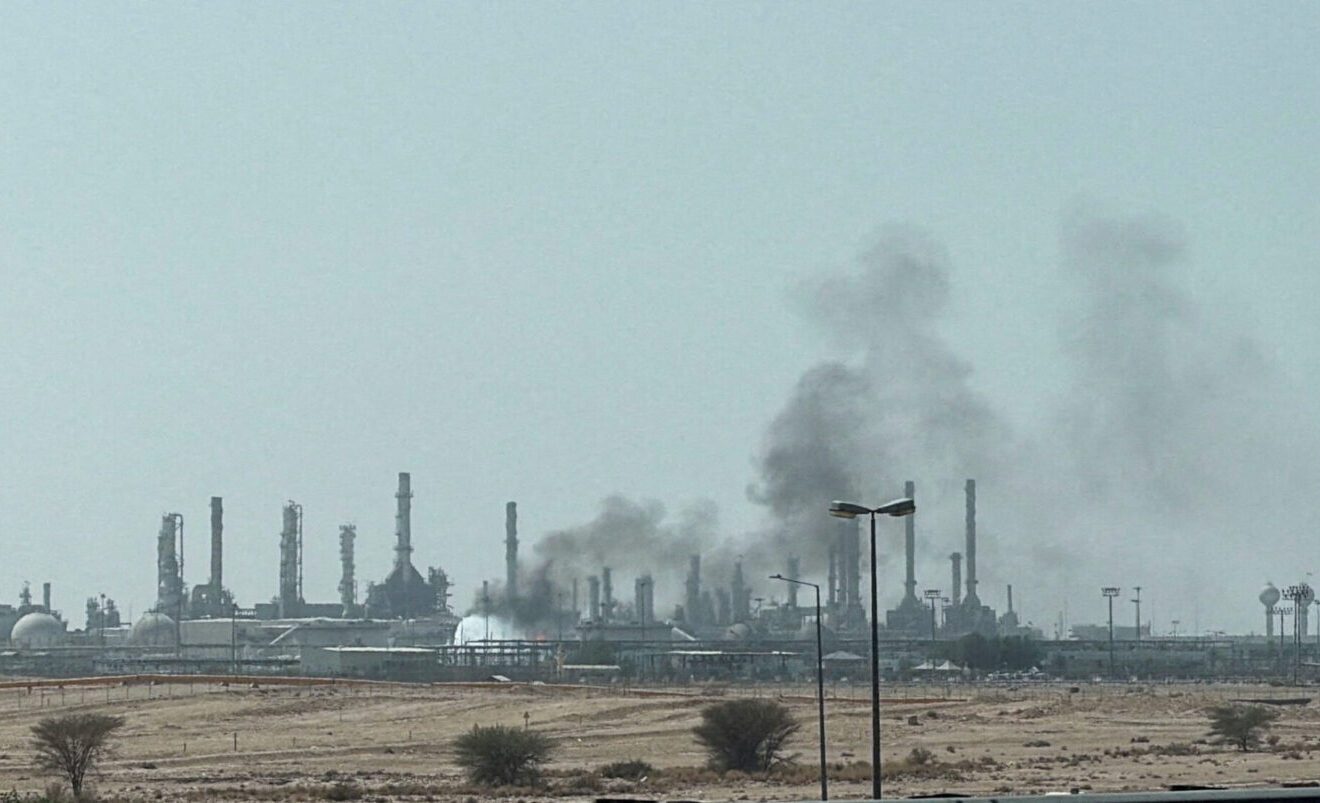
On Tuesday, the Houthis targeted an administrative building belonging to Saudi Aramco in the eastern city of Dhahran, a Saudi energy ministry official told the state news agency. Officials told civilians to leave Aramco’s headquarters, Riyadh’s airport, and an Aramco-linked refinery in the capital. The strike came hours after the Saudi-led coalition hit an oil facility in the Yemeni capital, Sanaa.
Disruption Across the Kingdom
Airlines including Air France-KLM, Air India, Etihad, Lufthansa, Delta, Gulf Air, and Qatar Airways suspended flights to Saudi Arabia, and Britain, France, and Germany warned their citizens to avoid Riyadh. Organizers of the Future Investment Initiative, the kingdom’s flagship investment forum, say it will go ahead from Oct. 26 to 29, with remote participation available. Saudi Energy Minister Prince Abdulaziz bin Salman told an oil conference in Riyadh that the attacks tested the kingdom’s resilience and that its response would be “equally serious.”
Why the Houthis Say They Are Attacking
The Houthis, an Iran-aligned group that holds Sanaa and much of northwestern Yemen, say the strikes answer Saudi support for Yemeni government forces and Saudi air raids on Sanaa. A United Nations-brokered ceasefire that has largely held since 2022 has collapsed, and fighting rages along the Red Sea coast near Mocha and Dhubab, close to the Bab al-Mandeb strait. Saudi-backed Yemeni forces hit Sanaa airport in July, and Yemen’s government says the Houthis use the airport to receive flights from Iran.
A Houthi spokesperson, Mohammed Abdulsalam, denies that the group acts on Tehran’s orders. He says its demands center on humanitarian issues, including lifting limits on Yemeni ports and airports and paying civil servants’ salaries.
The Iran Question
The attacks arrive as the United States and Israel’s war on Iran continues. Iran’s foreign minister urged Saudi Arabia to pursue diplomacy in a call with his Saudi counterpart. Some analysts say the campaign gives Tehran leverage over Riyadh and Washington while the U.S. blockade strains Iran’s economy. Others, such as Hisham al-Omeisy of the European Institute of Peace, describe the Houthis as a maximalist group with its own calculations, seeking more concessions from Riyadh. He expects them to widen attacks to oil pipelines and other energy sites.
Washington Weighs Its Options
After Saturday’s attack, President Donald Trump said the United States may join Saudi strikes on the Houthis and that he would make a decision. No announcement has followed. Last month, Trump turned down the crown prince’s appeal to join the Saudi air campaign, two people familiar with the matter said. Washington approved a potential $24.3 billion sale of nearly 50 F-35 warplanes to Saudi Arabia in the same month. Secretary of State Marco Rubio condemned the airport attack and said an American citizen was among the dead.
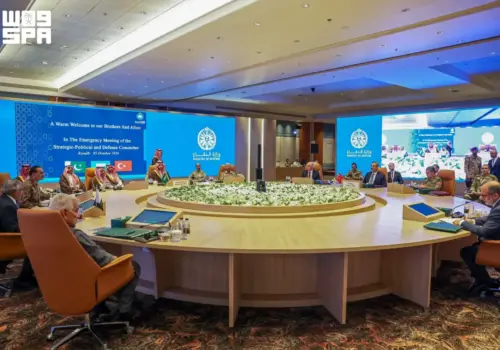
Analysts say direct U.S. involvement would stretch forces already committed against Iran, and that airstrikes alone are unlikely to end the Houthi threat. Trump has said he will not launch any strikes on Iran until after the midterm elections. Turkey, Pakistan, and Saudi Arabia agreed on Oct. 5 to activate “deterrence measures” under a mutual defense pact and send forces to the kingdom.
Risks Ahead
The Houthis have a record of hitting deep inside Saudi Arabia. In 2019, attacks on Aramco facilities briefly cut about 5% of global oil supply. Al Jazeera’s reporter in Sanaa says Saudi Arabia has much more to lose from a tit-for-tat air war, since Sanaa’s airport has been closed for years, while the kingdom hosts major events and prepares for the 2032 World Cup.