Trump Claims Kim Jong Un Responded to Outreach Following US-South Korea Drill Reductions
US President Donald Trump stated that North Korean leader Kim Jong Un has replied to his recent diplomatic communications, describing the exchange as “very positive”....
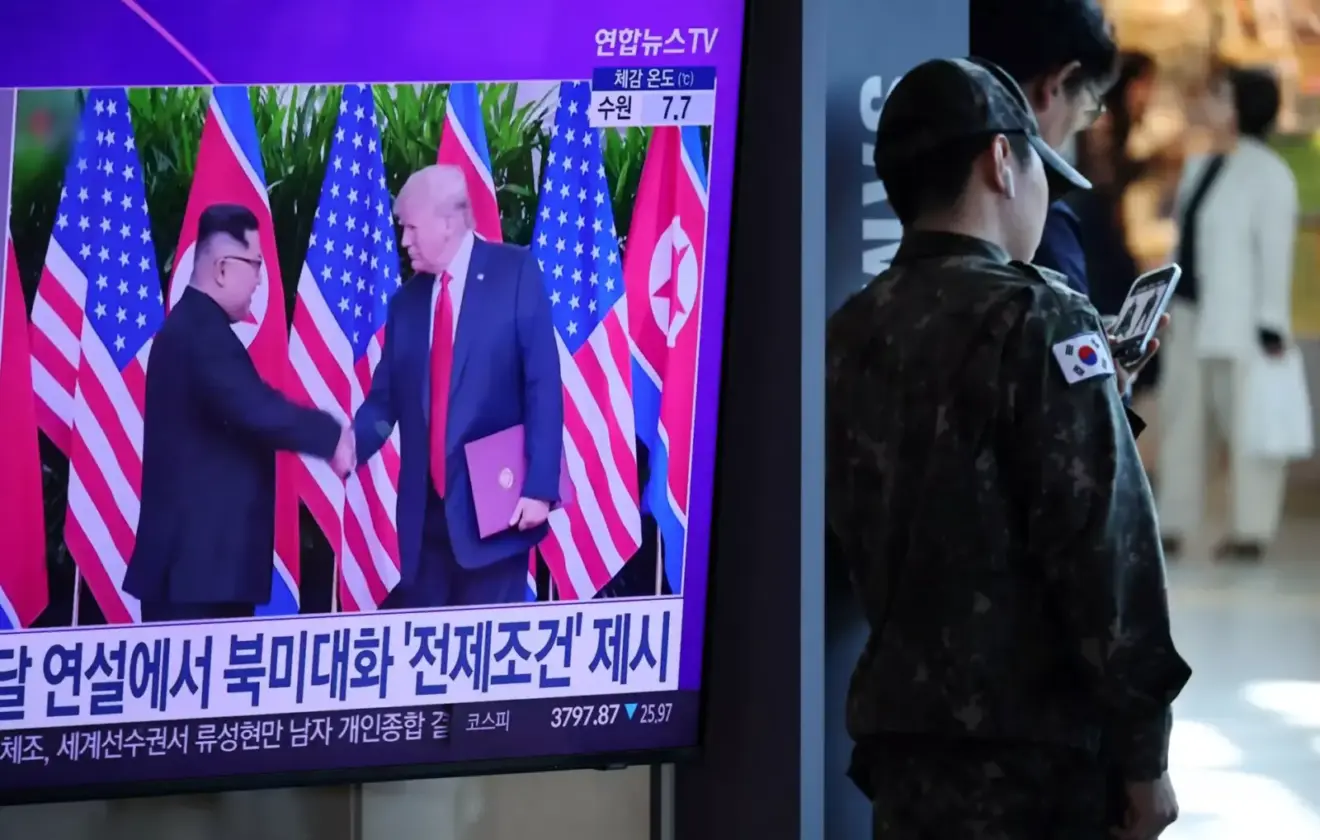
US President Donald Trump stated that North Korean leader Kim Jong Un has replied to his recent diplomatic communications, describing the exchange as “very positive”. The statement came shortly after the White House directed the Pentagon to reduce the scope of ongoing joint military exercises with South Korea. Addressing reporters in the Oval Office, Trump confirmed the communication had taken place, though he offered no specifics regarding the precise timing, channel, or substance of the message.
Oval Office Remarks and Diplomacy Shift
During a session with reporters on Monday, Trump was questioned on why the North Korean leadership had not acknowledged his recent overtures. Rebuffing the premise, the US president confirmed that Kim had indeed made contact. While characterizing the dialogue as encouraging, Trump withheld further details regarding any potential upcoming summits or formal negotiations. Pyongyang has not issued an official public statement regarding the exchange.
The announcement closely follows instructions issued to the Pentagon on Sunday to curb joint war games with South Korea. In a public post, Trump argued that the longstanding military maneuvers are financially burdensome and project an unnecessarily confrontational stance toward Pyongyang. He asserted that the North Korean administration had maintained a respectful posture toward his presidency, making full-scale exercises inappropriate.
Strains Over the Iran Conflict and Alliance Commitments
In tandem with his diplomatic remarks regarding Pyongyang, Trump voiced frustration with Seoul over its refusal to support US military operations in Iran. He questioned the equity of maintaining a significant American troop presence on the Korean peninsula—referencing protection from North Korea—while Seoul declined participation in Washington’s Middle Eastern military campaign.
Trump signaled a broader reluctance to extend unconditional defensive guarantees to allies that choose not to assist US strategic efforts abroad. He reiterated broader grievances regarding defense spending and operational cost-sharing among international partners, extending those critiques to regional allies and NATO members alike.
Official Responses From Seoul
South Korean officials confirmed that scheduled joint military exercises commenced as planned, albeit under modified conditions. Authorities in Seoul clarified that the maneuvers are routine, defense-oriented, and not designed to provoke Pyongyang or signal hostile intent.
South Korean President Lee Jae Myung emphasized that the fundamental purpose of the joint drills is purely defensive, intended to protect domestic public safety rather than target any neighboring state. Despite the tensions over military cost-sharing and foreign policy alignment, South Korean diplomatic representatives expressed hope that personal engagement between Washington and Pyongyang could help de-escalate peninsula tensions and reopen channels for dialogue.
Security Context and Evolving Alliances
The current diplomatic atmosphere differs significantly from the initial summits held between 2018 and 2019, which ultimately stalled over nuclear disarmament terms and sanctions relief. Since those high-level meetings, North Korea has expanded its military partnerships, notably deepening strategic, economic, and defense ties with Russia. Reports indicate North Korean equipment and personnel have provided direct support to Russian operations in the Ukraine war.
Despite these broader geopolitical shifts and continued concern from regional defense analysts, Trump reiterated his belief in his personal rapport with Kim. Independent security analysts note that while Pyongyang may delay any immediate formal negotiations to maximize its leverage, the combination of altered exercise schedules and direct communications leaves the door open for renewed bilateral contacts.