Russian Bombers In Vietnam Mark Biggest Asia Deployment In Years
Russian strategic bombers have landed in Vietnam after flying past Japan and Taiwan. Experts say the move sends a message ahead of Thursday’s talks between Russia, China and the United States.
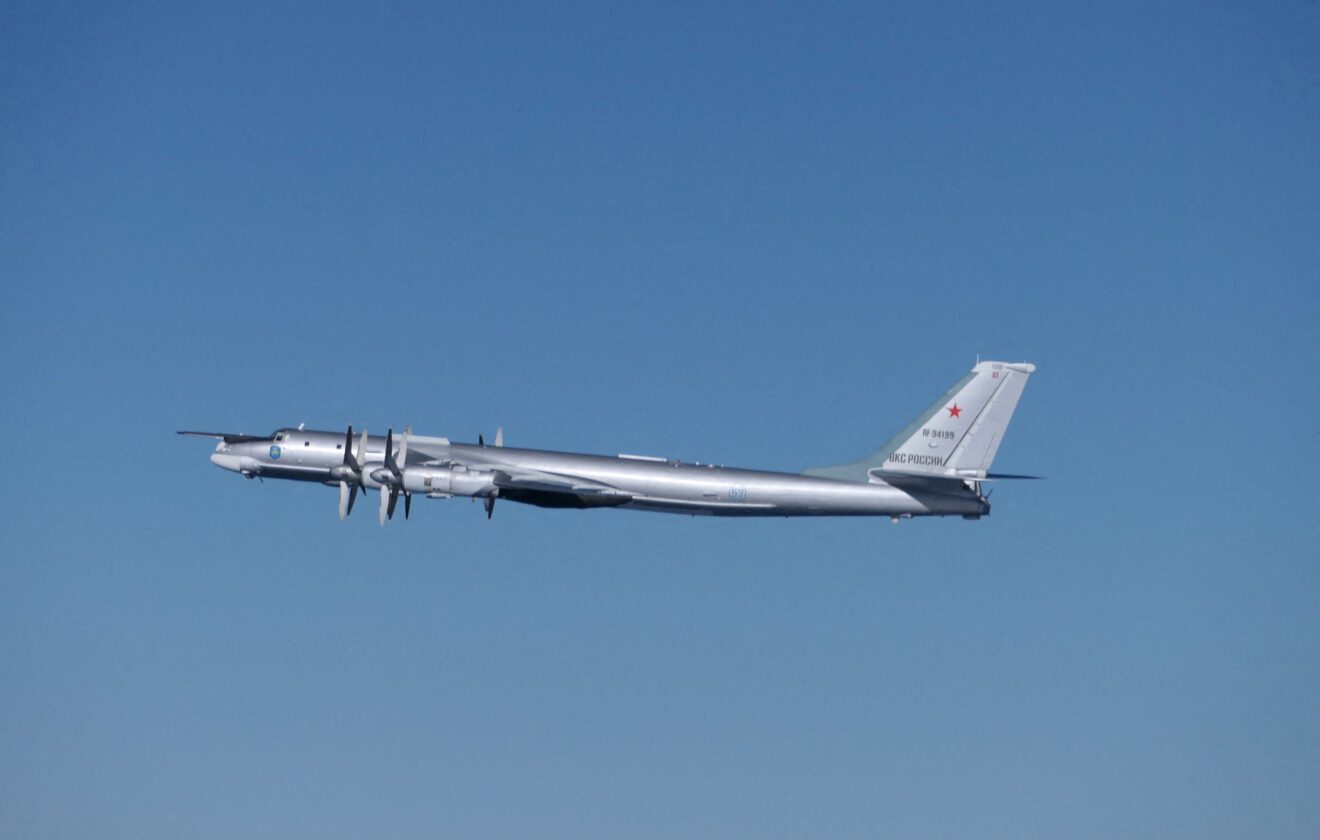
HANOI, Nov 18 – Two Russian bombers sat on the tarmac at Danang airport in Vietnam on Wednesday, after Russian military aircraft flew south past Japan and Taiwan in what may be Moscow’s biggest air deployment in East Asia in more than a decade.
The two Tu-95 strategic bombers, known in the North Atlantic Treaty Organization as “Bears,” were joined by two long-range tanker planes.
The aircraft alarmed the air forces of both Taiwan and Japan on Tuesday, as they flew down from Russia’s Far East.
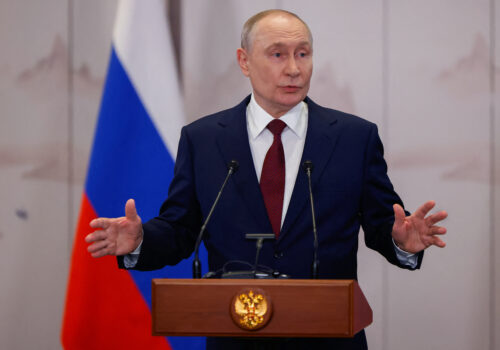
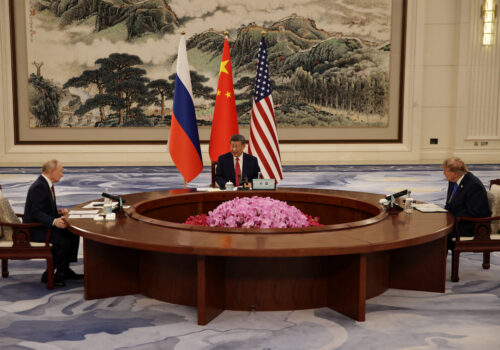
The flights came just before Russian President Vladimir Putin arrived in Shenzhen, China, for the Asia-Pacific Economic Cooperation summit. They also took place while leaders, including President Donald Trump, were meeting in Manila for the summit of Southeast Asian nations.
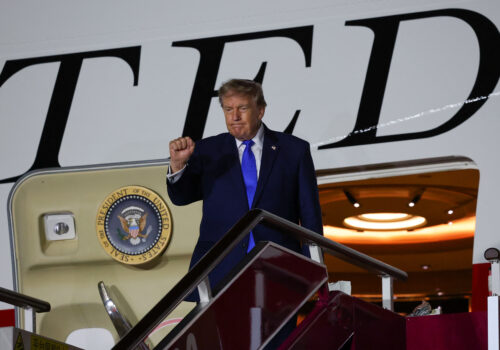
On Thursday, Putin, Trump and Chinese President Xi Jinping are set to hold their first-ever three-way meeting.
Experts said the deployment was likely meant to send a message.
Ian Storey, a security scholar at the ISEAS-Yusof Ishak Institute in Singapore, said it reminds countries in the region that Russia still has reach, even with the war in Ukraine going on.
“Moscow can still project power into Southeast Asia,” Storey said.
The last known deployment of Russian strategic aircraft to Vietnam was in 2014, he said. At that time, Hanoi gave Russian warships and planes preferred access to the old Soviet base at Cam Ranh Bay and the airfield at Danang. Both sites were first built by American forces during the Vietnam War.
Back then, Russia sent tanker planes to Danang to support Tu-95 flights near the large American bases on the Pacific island of Guam, Storey said.
He said he was not aware of any later cases, and that the flights may have stopped after the administration of President Barack Obama complained to Hanoi.
Some Tu-95s can carry nuclear weapons. They are sometimes used for spying and surveillance, according to military attaches.
Last year, Moscow asked to bring back the arrangement, but Hanoi was hesitant at first, said Nguyen The Phuong, an expert on Vietnam’s security at the University of New South Wales in Australia.
Phuong said this week’s deployment was officially for refueling. But he said it signals a shift in Vietnam’s approach and could lead to more such visits.
Vietnam’s foreign ministry, Russia’s defense ministry and the Russian embassy in Hanoi didn’t respond to requests for comment. The State Department in Washington also didn’t respond.
In Taiwan, officials voiced concern.
Huang Chih-wei, vice chief of Taiwan’s General Staff, said the Russian flights “posed a threat to the peaceful and stable status quo” in the Asia-Pacific region.
Chieh Chung, a researcher at the Institute for National Defense and Security Research, a think tank linked to Taiwan’s defense ministry, said Russian military planes have been seen near Taiwan before, in 1986 and 2010. Both times, they were Tu-95s.
“Russia chose to make this politically charged flight” just before Thursday’s summit, Chieh said. He said he couldn’t rule out that the aim was to show close cooperation between China and Russia.
China and Russia have close political and military ties. Moscow has repeatedly backed Beijing’s claim to Taiwan. China’s air force and navy already operate around the island every day.
For Vietnam, the decision may also bring benefits.
Russia is by far Vietnam’s main supplier of weapons. Since Russia’s full-scale invasion of Ukraine in 2022, Hanoi has tried to buy arms from other countries too. But it still relies on Russian parts and support, and talks on new supplies have continued.
Phuong said Hanoi could also be sending a signal to China. In late September, Beijing said it was helping to build a new military airfield in Laos to train its air force.
Vietnam hasn’t publicly criticized that move. But it is watching closely to make sure the site doesn’t become a military base, Phuong said.
Hanoi and Beijing are also at odds over parts of the South China Sea. Vietnam has long seen its ties with Moscow as a counterweight to China.
Storey said letting the bombers land may be meant to show China that Vietnam’s military ties with Russia remain strong.