NATO Tests Counter-Drone and Strike Technology in Latvia in Its Biggest Trials Yet
Nearly 100 defense companies from more than 20 countries are testing new technology at two military bases in Latvia. The trials end with a showcase for senior military leaders.
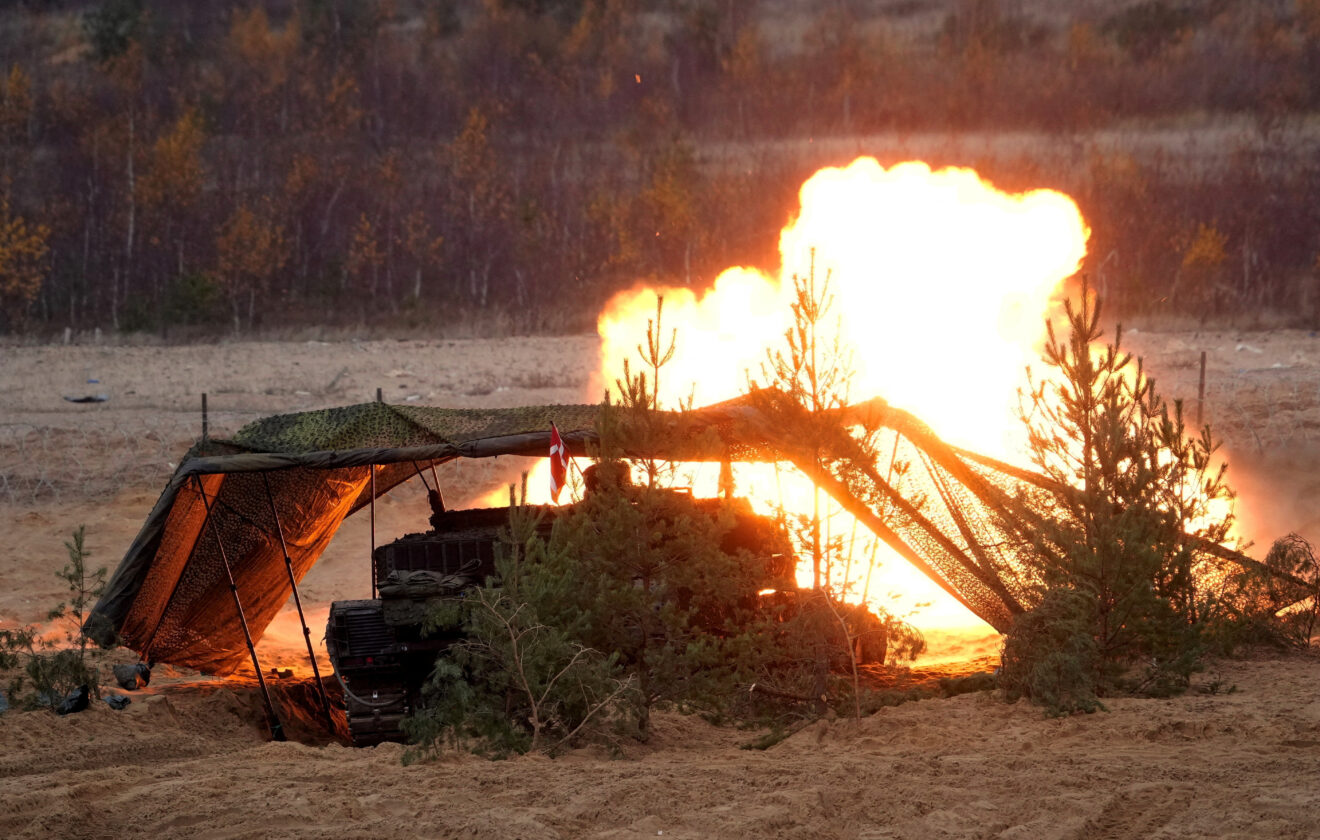
RIGA, Oct 30 – Latvia is hosting a series of trials of new defense technology for the North Atlantic Treaty Organization this week. It’s the biggest edition yet of an event the country has held every year since 2022.
The trials are running along three tracks at the same time.
The first is the Digital Backbone Experiment, which tests next-generation communications. The second focuses on ways to detect and stop drones, with tests of both sensors and the systems used to bring drones down.
The third aims to strengthen the alliance’s ability to strike targets deep behind enemy lines.
The work is being carried out at two sites: Ādaži Military Base near Riga, which has hosted the experiment since it began, and Sēlija Military Base, which joined this year. The event has grown fast. This year, nearly three times as many partners are taking part as in past editions, the Latvian Ministry of Defence said.
That has significantly expanded the range of technologies being tested and the scenarios being explored. Nearly 100 defense companies from more than 20 countries are taking part, working alongside members of allied nations’ armed forces.
So what is the goal? The digital experiment tests how communications networks work alongside different defense technologies to ensure that these systems can operate smoothly and in a coordinated manner during alliance operations.
This year, the program has been expanded to place greater emphasis on connecting sensors with the weapons and tools that respond to threats. Officials said there is particular focus on the sensors needed to detect, identify, and respond to new types of threats.
Together, these elements allow the alliance to test the full chain of modern defense: identifying a threat, making faster and better-informed decisions, and delivering an effective response.
This year’s activities include field trials, tests of network infrastructure, and combined scenarios that bring together sensors, communications systems, drones and other uncrewed systems, decision-support tools for commanders, and counter-drone systems.
Latvia’s Defence Minister, Raivis Melnis, said that hosting the experiment in Latvia for the fifth consecutive year demonstrates the country’s ability to provide an environment for testing and developing advanced defense technology under a wide range of conditions.
Melnis added that this experience allows Latvia to test new digital tools in settings that closely resemble real operations. He also said it strengthens cooperation with allies and improves the interoperability of their equipment.
LMT Defence is once again the lead technology integrator and one of the organizers. The company provides key infrastructure, technical know-how and other support for the experiment. LMT Defence is part of the Latvian mobile operator LMT, which built a military 5G test site at Ādaži that has been used for the trials since they began.
The experiment is led by the alliance’s Allied Command Transformation, which works on modernizing its forces. It is run together with Latvia’s Ministry of Defence, the Latvian National Armed Forces and LMT Defence.
Countering drones has become a growing focus of the event. Last year’s edition also placed special weight on drones and on systems to defend against them in complex settings.
This year’s trials end with an event called NATO FUSE, short for Federated Unified Sensing and Effects. It brings the three tracks together and takes place on October 29 and 30 at the Ādaži base.
The event is designed to put new technology to a practical test and support its further development. It brings together military officials and defense companies in one place, aiming to speed up the integration of new tools into the alliance’s plans and ensure that allied forces can use them effectively together.
Senior national and alliance leaders, including defense chiefs, have been invited to attend the final showcase.