French Economy Shrinks Unexpectedly While Inflation Climbs
France’s economy minister says the country is at a standstill after a surprise drop in output and a jump in prices. Borrowing costs rose again after the data came out.
The French economy shrank in the third quarter, a result that caught analysts off guard. At the same time, inflation in October climbed to its highest level since late 2023.
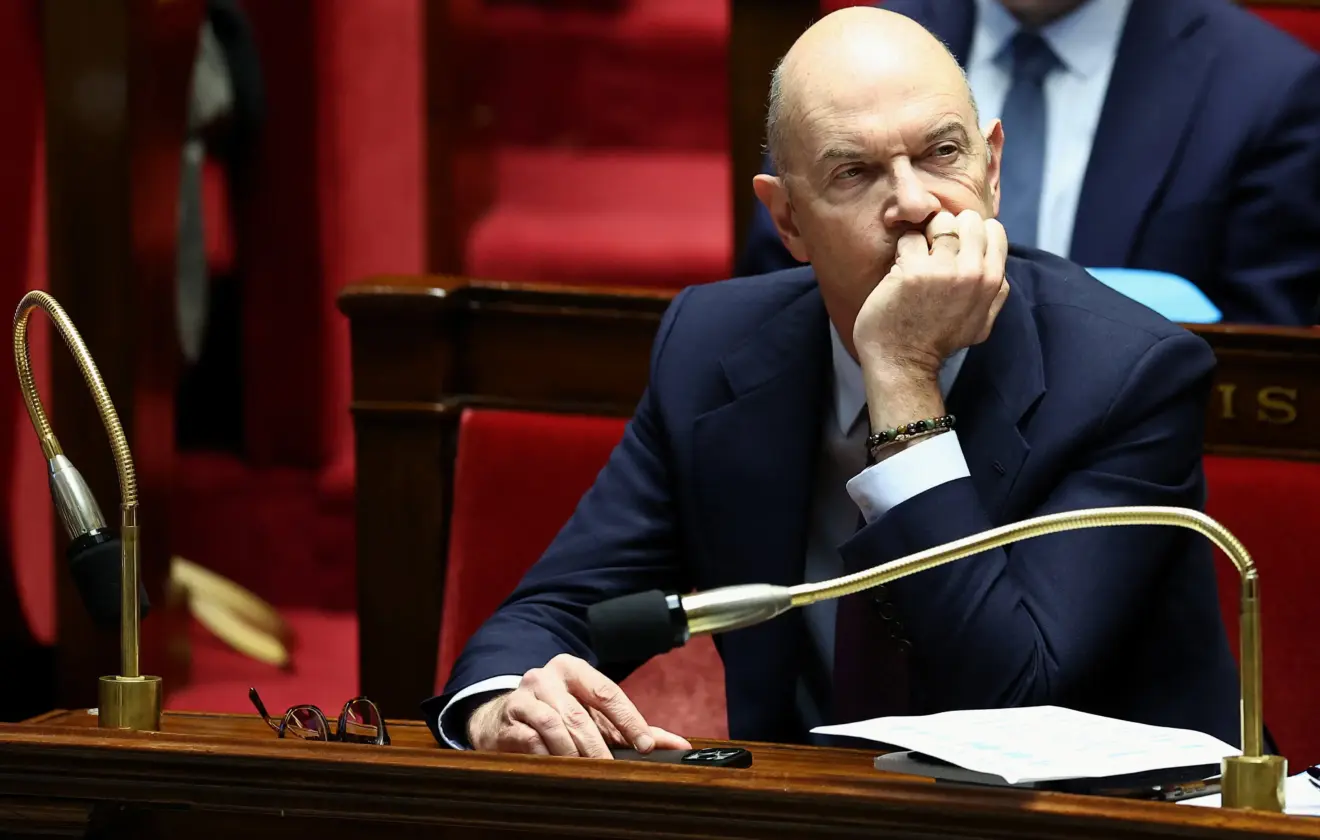
Economy Minister Roland Lescure blamed what he described as an unprecedented combination of shocks, both from outside France and within the country.
According to preliminary figures from the national statistics office, economic output fell 0.1% between July and September. Analysts surveyed by Reuters had expected growth of 0.1%.
Inflation also came in higher than forecast. Using the harmonized measure, which allows comparison with other countries that use the euro, prices rose 3.8% from a year earlier in October. Analysts had expected 3.6%. On France’s own national measure, inflation is expected to reach 3.4%, up from 3.1% in September.
The statistics office said that high energy prices drove inflation higher, while prices for accommodation and transport services also increased. Energy prices have now risen for four consecutive months, largely due to higher costs for gas and oil products.
Roland Lescure spoke about the figures in an interview with public broadcaster Franceinfo. He said the French economy is at a standstill this year because of a combination of shocks never seen before. “Growth has been absent for three consecutive quarters,” Roland Lescure said.
Markets reacted quickly. The cost of government borrowing jumped again after the data came out. The yield on France’s 10-year bonds rose 6 basis points to 4.944%. That was a weaker showing than in the rest of the euro zone.
The new figures come a day after the European Central Bank left interest rates unchanged on Thursday, as expected. But the bank hinted it could raise rates again in December. It warned that high and rising energy costs linked to the war involving Iran are adding to the risk of higher inflation.
Trade was the biggest drag on France’s economy. Exports fell 1.7% in the quarter. Most of the decline came from a 9.1% drop in exports of transport equipment, driven primarily by the aerospace sector. In the second quarter, those exports had jumped 20.8%.
Overall, foreign trade reduced economic growth by 0.6 percentage points in the third quarter, reversing the 0.6-point boost it had provided in the previous quarter. Business investment also remained weak, falling 0.6% after a 0.5% decline in the second quarter. Lower spending on construction and transport equipment contributed to the downturn.
There was some positive news: household spending continued to grow, rising 0.4% during the quarter after a 0.2% increase in the previous three months. The statistics office said consumers were buying more transport equipment, particularly electric vehicles. Government spending also increased, by 0.3%.
The monthly figures for September, however, painted a weaker picture. Consumer spending declined more than anticipated, with households buying fewer manufactured goods and less food, while energy spending increased slightly.
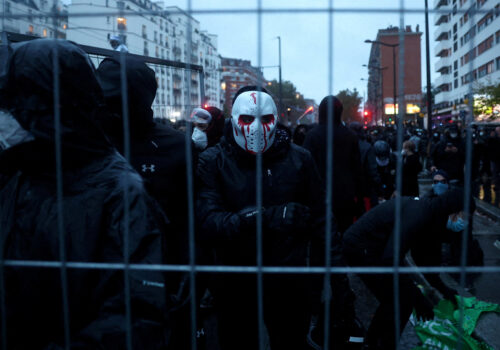
The data were released at a politically sensitive moment for France. In the final weeks of the quarter, the country saw a wave of protests that began in September with small student demonstrations in the suburbs of Paris over school conditions.
The protests quickly grew into broader demonstrations against the government’s economic policies, adding to concerns about political stability and the direction of the country’s economy.
Consumer confidence in France also fell in October to its lowest level since 2013, according to a separate survey published earlier this week. The combination of weak investment, softer consumer spending, and declining confidence suggests that France’s economy may face continued pressure in the months ahead, particularly if political uncertainty discourages households and businesses from spending and investing.
Economists warn that prolonged unrest could further weigh on business sentiment, delay investment decisions, and disrupt normal economic activity. With households already cutting back on discretionary purchases and businesses reducing spending on construction and transport equipment, the risk is that weak domestic demand could persist into the final quarter of the year. At the same time, any deterioration in consumer confidence may make it harder for the government to implement economic reforms or reassure markets about France’s fiscal outlook.