COP31 Collapse Draws Anger And Regret From Nations Worldwide
Small island states said they were let down on all sides. Oil producers defended their stand, and China said the talks should not be seen as a failure.
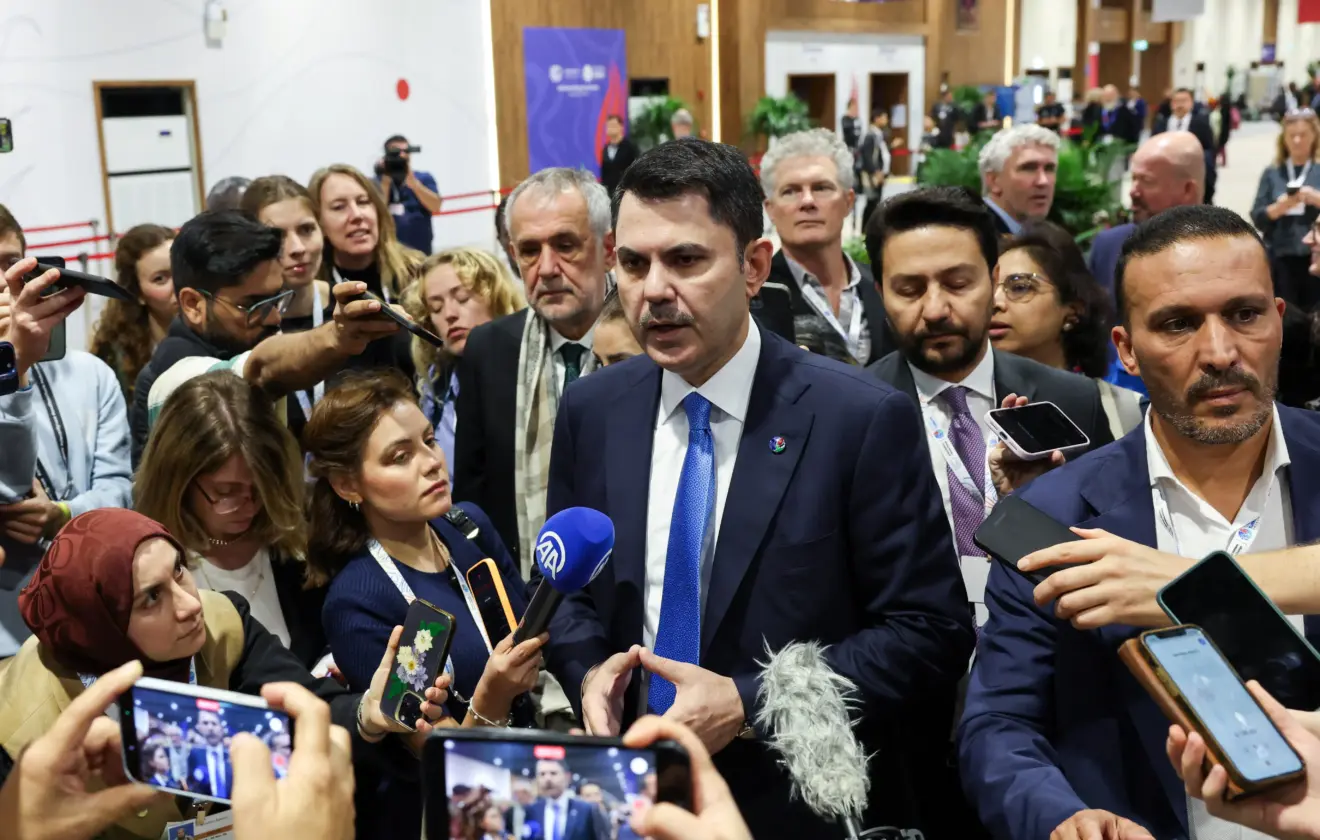
ANTALYA, Turkey, Nov 23 – It was over by Sunday afternoon. The COP31 collapse came when Turkey’s Murat Kurum told the hall there was no deal, and that there would be no new text.
“We did everything we could,” Kurum said.
He said that people around the world who had hoped for progress from the talks should not pay the price because some countries were stuck on a single word or phrase. The summit, he said, would still carry out the smaller decisions it had adopted.
The phrase in question was “fossil fuels.”
It did not appear in the main text, leading many countries to reject it. Without that text, the summit had no “cover decision”. The main agreement setting out what a climate summit has achieved. That had not happened since Copenhagen in 2009.
Europe objected. The European Union said it would not support a deal that did not even mention fossil fuels, which it described as the main cause of climate change. It said it would not go backwards and would not accept a summit that greenwashed fossil fuels.
Britain also refused. Its lead negotiator, Kate Hughes, said the text represented the lowest common denominator.
“It moves us backwards on the science,” she said.
Norway said no. Its climate minister, Sigrun Gjerlow Aasland, said the text took the world back from deals it had made in the past. But she said Norway still wants faster clean energy and more money to help poor countries adapt.
The Marshall Islands said no, and it was angry. It said it had been let down on all sides. It said the text gave the worst possible answer to a world that will go past 1.5 degrees Celsius of warming. And it said that answer would help oil and gas.
“We will not be forced to accept false solutions,” it said.
Vanuatu refused the draft too. It stated that the text is below standards required by the law and the scientific community. Vanuatu was against the lack of any mention of fossil fuels in the draft. It was unacceptable for a state agreement to take away its citizens’ future.
Poor nations were disappointed as well. Least developed countries said they couldn’t get what they needed from the negotiations. They cannot afford a step back.
However, not everyone wanted anything mentioned about fossil fuels in the text.
Russia also opposed even a mention of the issue. In an interview, Russian delegate Sergei Kononuchenko said that if oil and gas supplies fell faster than demand, emissions would not necessarily decline. Instead, he said, the result would be price shocks and shortages, hitting poorer people hardest.
Saudi Arabia did not. It said the world needs all the answers on the table to fight climate change. It said it made no sense to take some of them off.
In the middle were the ones who just wanted a deal.
China wanted a deal. Li Gao, the vice minister who led its team, said China was let down. With no main text, he said developing countries lost a lot of what they had asked for. But he said that does not mean working together has failed. They all need to try harder, he said.
Brazil wanted a deal. Its negotiator, Liliam Chagas, said the text should have had room for many things. She named the overshoot, the science, the tripling of money for adaptation, more climate money for regions and care for the people most at risk.
Kenya wanted a deal that would deliver. It said Africa was not named once in the text. It said those who did the most to cause emissions should now do the most to help. And it said it wants COP32 to be Africa’s summit.
The Philippines said its differences with others must not stop them from acting together. It said a goal with no money is a promise with no path.
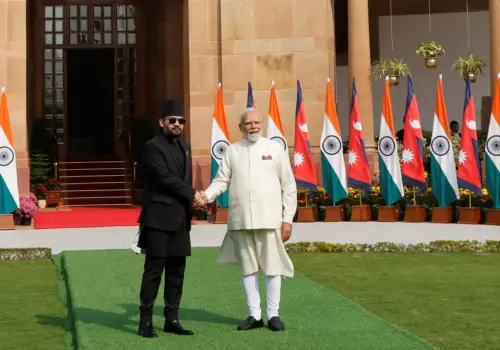
Nepal said it came with hope, and going home with no deal was not good for anyone.
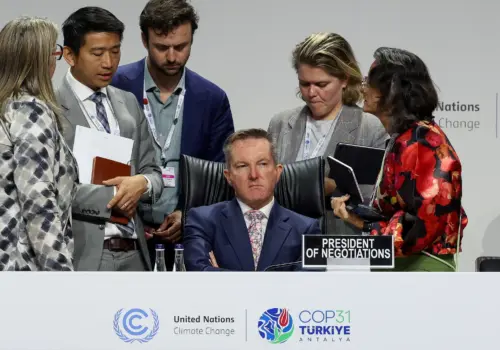
Chris Bowen, the Australian minister who ran the talks, said a lot of good things did happen. More than 90 countries signed a pledge to use more electricity, he said.
“But not enough when it comes to climate action,” Bowen said.
He said some countries wanted the shift from fossil fuels in the text, and some said they’d veto it if it was.
The United Nations chief, Antonio Guterres, said he was deeply disappointed by the COP31 collapse. He said there may be no agreement in the room, but there is no doubt in the science.
The next summit, COP32, will be in Ethiopia in November 2027.