Japan’s Takaichi Gets Frosty Welcome At APEC In China
China rolled out lavish welcomes for leaders at the APEC summit, but Japan’s prime minister was met by a junior official. The snub is being linked to a dispute over Taiwan.
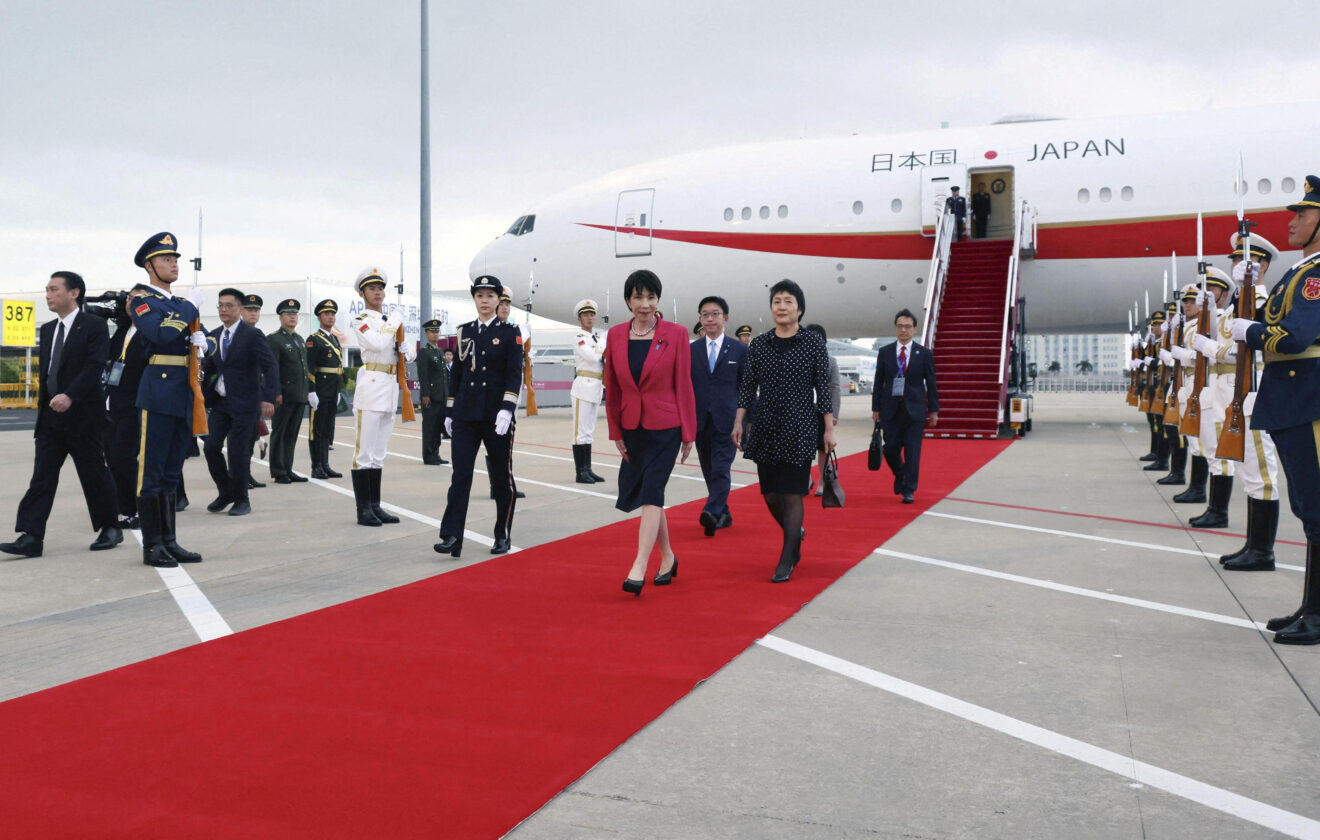
SHENZHEN, Nov 19 – Japanese Prime Minister Sanae Takaichi received a frosty welcome in China for the Asia-Pacific Economic Cooperation summit this week, while other leaders arriving in Shenzhen were greeted with bands, flowers and hugs.
China went out of its way to welcome most world leaders. Military bands played, crowds of young people waved bright bouquets, and senior officials shook hands and hugged guests on the tarmac.
Takaichi was the exception.
A red carpet was laid out when she landed at Shenzhen Bao’an International Airport on Wednesday. But she got only a modest honor guard and was met by a fairly junior Chinese official.
It was her first visit to China since taking office just over a year ago.
The official who greeted her, Zhang Qiyue, is China’s former ambassador to Greece. That is a lower rank than the officials who met other leaders. Zhang does have a link to Japan, though.
Her father, Zhang Shu, once served as China’s ambassador in Tokyo.
The contrast was hard to miss.
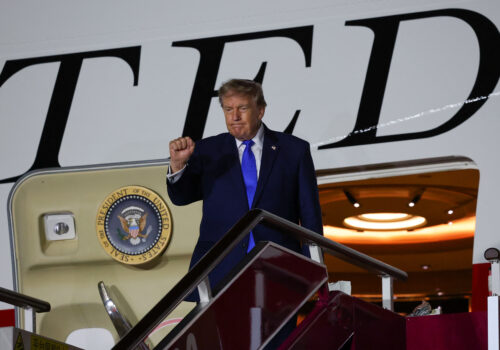
Chinese President Xi Jinping personally greeted President Donald Trump as he stepped off Air Force One, and the two shared a hug. Russian President Vladimir Putin was met by Cai Qi, a senior Communist Party official and one of Xi’s closest aides.
Australian Prime Minister Anthony Albanese smiled as he walked past rows of welcoming women and soldiers of the People’s Liberation Army. South Korean President Lee Jae Myung and his wife, Kim Hea Kyung, also got the full welcome.
Many have linked the cool reception to a long-running dispute over Taiwan.
The row began soon after Takaichi’s first appearance on the world stage at last year’s summit in South Korea. There, she and Xi pledged to build “constructive and stable” relations.
Less than two weeks later, Takaichi told Japanese lawmakers that a Chinese attack on Taiwan could lead Japan to deploy its armed forces if the conflict posed a threat to Japan’s survival.
Japan’s westernmost island, Yonaguni, lies just 100 kilometers from Taiwan, placing the island within close range of any major conflict in the Taiwan Strait.
Takaichi said Japan could use its right to collective self-defense, meaning it could come to the aid of an ally, the United States. She said Tokyo had to plan for a crisis in the Taiwan Strait.
China’s foreign ministry condemned her remarks at the time as “wrongful and dangerous.” Many people online in China accused her of dragging Japan back toward the militarism of the years before World War Two.
China claims Taiwan, a self-governing democracy, as its own territory. It has not ruled out using force to take control of the island.
The dispute has hurt business and cultural ties between the two countries. Japanese companies have faced growing uncertainty in the Chinese market, while cultural exchanges and tourism have also been affected. The tensions have added to broader concerns about security in East Asia, where China’s growing military presence and its claims over Taiwan remain major sources of friction.
Beijing told Chinese citizens not to travel or study in Japan, claiming without evidence that they would face threats to their safety. Exchanges between ordinary people were called off, and the release of Japanese films in China was put on hold.
In January, two giant pandas, Xiao Xiao and Lei Lei, left Tokyo’s Ueno Zoo and returned to China. That left Japan without a panda for the first time since 1972, when the two countries restored diplomatic ties.
At the summit’s welcome banquet, Takaichi and Xi managed only a polite handshake and a few words.
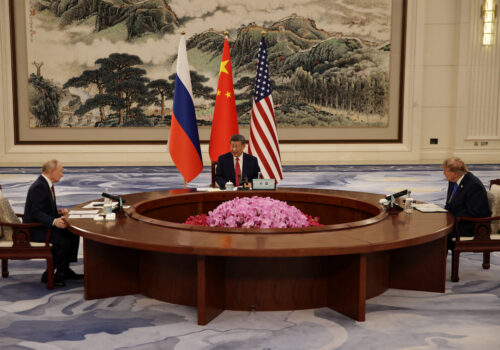
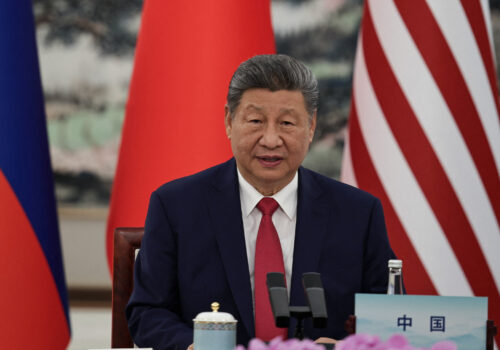
The cool exchange came as Xi prepared to host Trump and Putin for historic three-way talks on Thursday.
Japan is a close ally of the United States. On Tuesday, Takaichi joined Trump, Albanese and Indian Prime Minister Narendra Modi in Manila for a meeting of the Quad group.